Jane meets Duncan soon after she moves to Boyne City, Michigan, and quickly falls for his charm. But, as she soon learns, she is not the first person to do this and she finds herself surrounded by Duncan’s former girlfriends and ex-wife, Aggie, who is still a big part of his life. Jane has to decide if Duncan, and all his history, is worth pursuing.
Oh, the joy of a shared life! The joy is not – as many people would believe – building a future with someone, or opening your heart to another human being, or even the ability to gift each other money with limited tax consequences. The joy is in the dailiness. The joy is having someone who will stop you from hitting the snooze button on the alarm endlessly. The joy is the smell of someone else’s cooking… the joy is hoping (however unrealistically) that someone else will unload the dishwasher. The joy is having someone listen to the weird cough your car has developed and reassure you that it doesn’t sound expensive. The joy is saying how much you want a glass of wine and having someone tell you, “Go ahead, you deserve it!” (Although it’s possible to achieve the last one with a pet and a little imagination.)
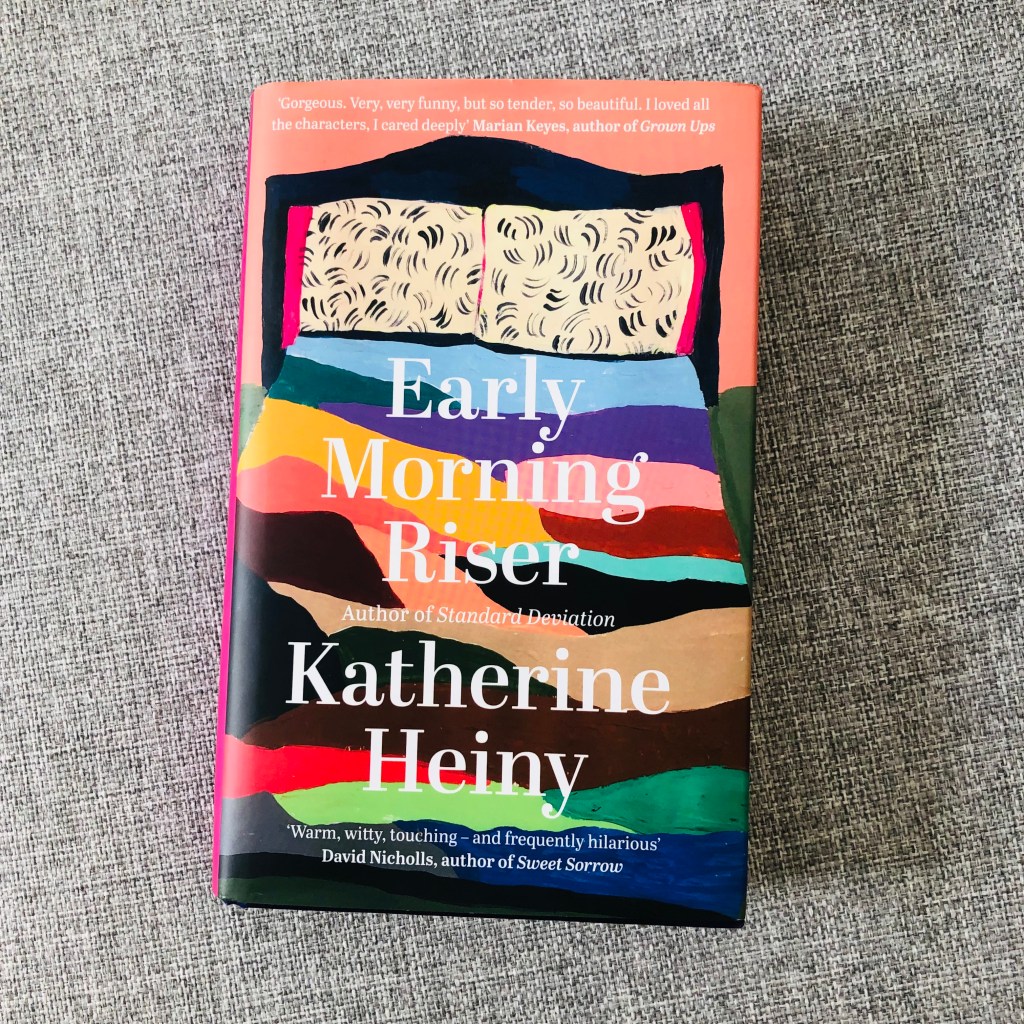
Early Morning Riser
I found this book incredibly warm and funny. Jane can be both witheringly scathing in her appraisals of people (one person is described as having “perky cupcake energy”) but she also radiates warmth and love.
All of the characters have their own quirks – Frieda, the music teacher who brings her mandolin with her everywhere; Aggie and her husband Gary who are very set in their ways with what they approve and disapprove of (Gary doesn’t eat: “eggplant, hummus, pine nuts, peppercorns, artichokes, bowtie pasta, American cheese, capers, paprika, anchovies, anything labelled ‘artisanal’, and every single member of the parsley family, including carrots.”) Then there is also Jimmy who is described to Jane by other people in town as “slow learning” but who can be sweetly perceptive when it comes to understanding people.
It is about life in a small town where so many people know each other’s business and tragedy can feel as though it touches everyone. Katherine Heiny so brilliantly captures normal everyday things with such humour that it brings a whole new perspective to them, such as, going to buy ice cream, doing the school run, going to dinner parties, and watching the sunrise.
They were just in time. The sky was striped with every flavour of sherbet – raspberry, orange, peach, lemon – and every stripe was reflected in the lake. The sun peeked over the horizon slowly, slowly, growing to a shimmering gold oval that trembled for a moment, heavy, gravid – like a giant egg yolk that would fall forward and fry itself on the silver pan of Lake Charlevoix. And then it rose higher, a perfect yellow circle.
Early Morning Riser
It’s an easy book to sit down and get lost in. I love books that transport me away, and this did just that. And it made me laugh, a lot.
I had heard of the Isle of Iona and its powers of rejuvenation before I went to Scotland. It’s a deeply spiritual and sacred place and there is a strong sense of peace when you arrive. It’s very quiet: even with the visitors arriving, the sounds of them seem to be swallowed up by the island.
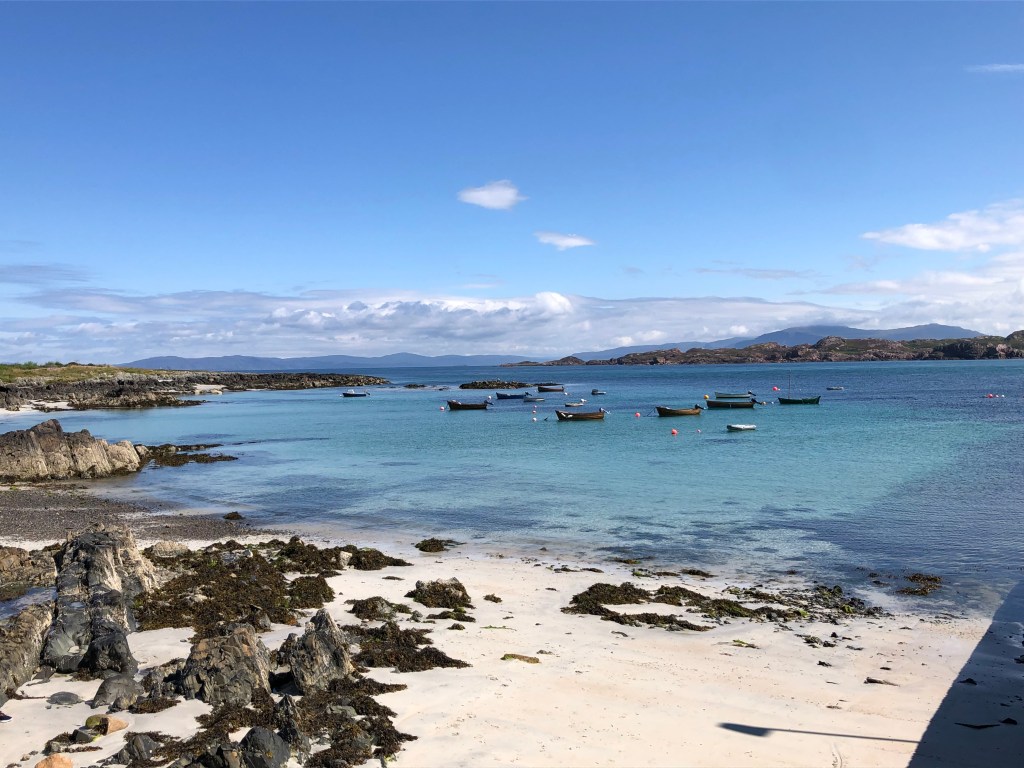
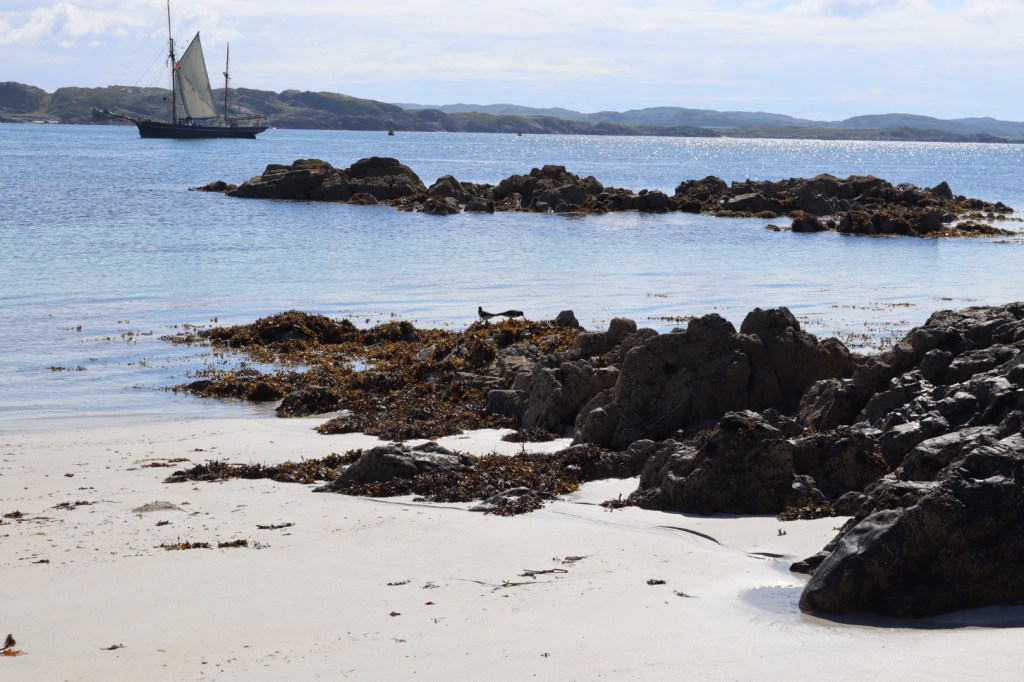
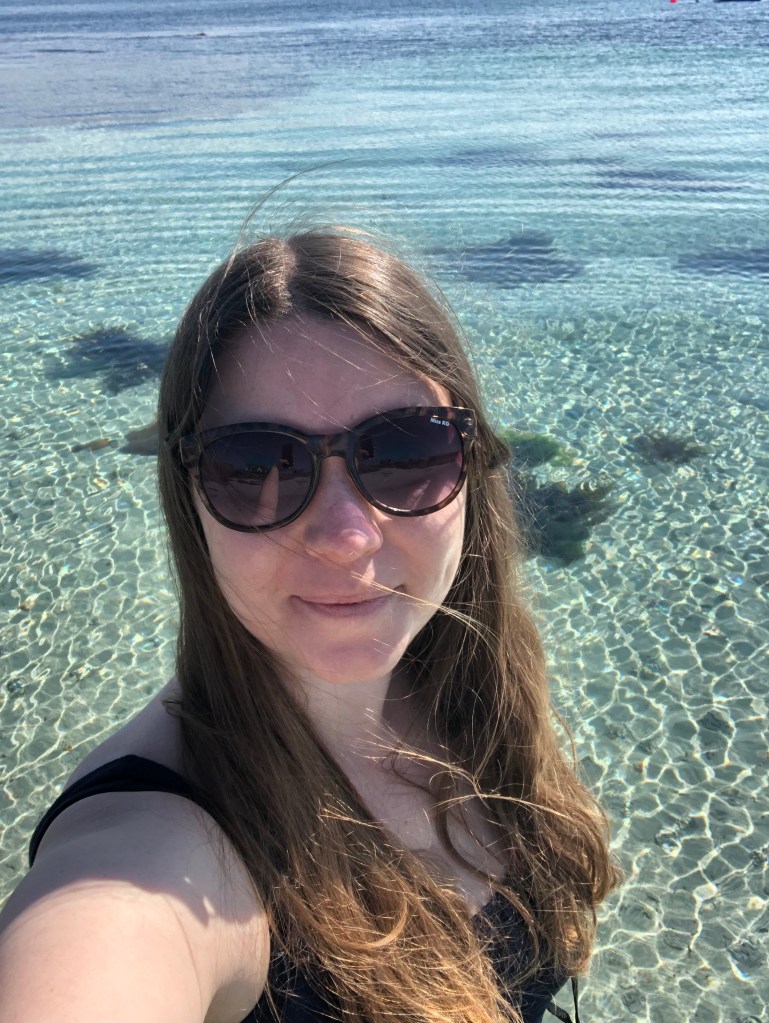
When I visited the weather was beautiful. The sun poured from the sky and lit up the water a sparkling turquoise-blue. It looked like no sea I had ever seen before and the light dancing on the waves made it feel… well, sacred.
Iona is around 1.5 miles wide and 3 miles long; it doesn’t take long to walk round. It also has a population of around 120 people who live there, and even with boats from the Isle of Mull or the mainland, it doesn’t take long to find your own patch of island: a spot of beach where you can feel like you’re the only person in the world.
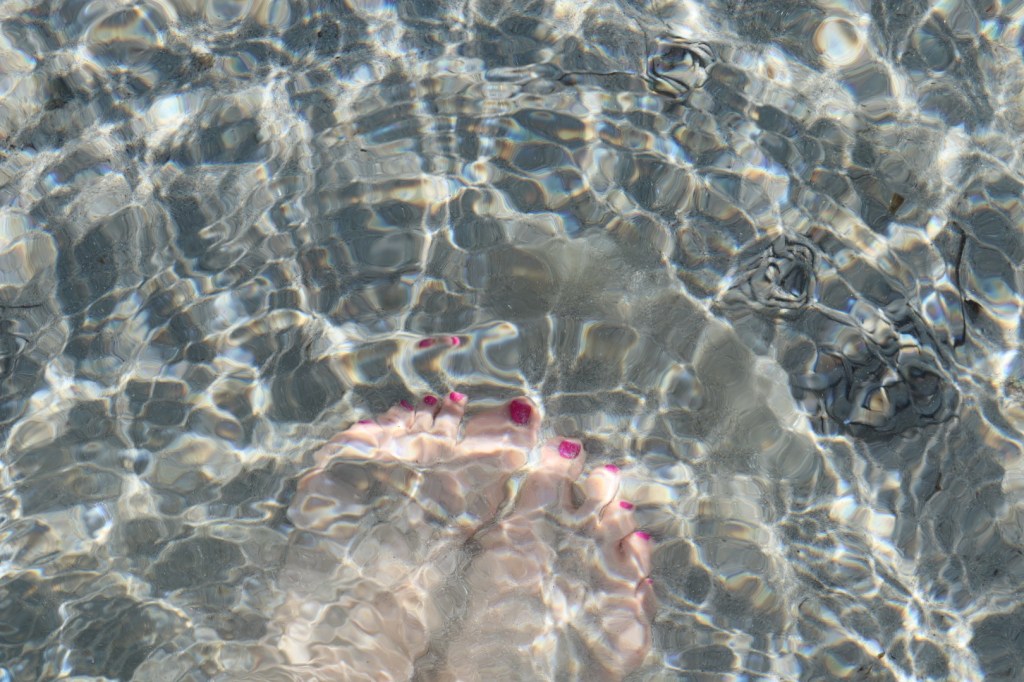
I was looking for ‘The Bay at the Back of the Ocean’ when I came across the most beautiful stretch of beach. I immediately waded out into the water, it was icy cold and made my toes tingle. I stayed there for a little while, letting the tingles turn into warmth as I adjusted to the temperature. It is true what they say: the crystal clear waters of Iona really do leave you feeling restored.
I hadn’t heard of Staffa before I arrived on Mull and everyone told me I had to go there. I’m so glad I did as it added a bit of adventure to my peaceful time on Iona.
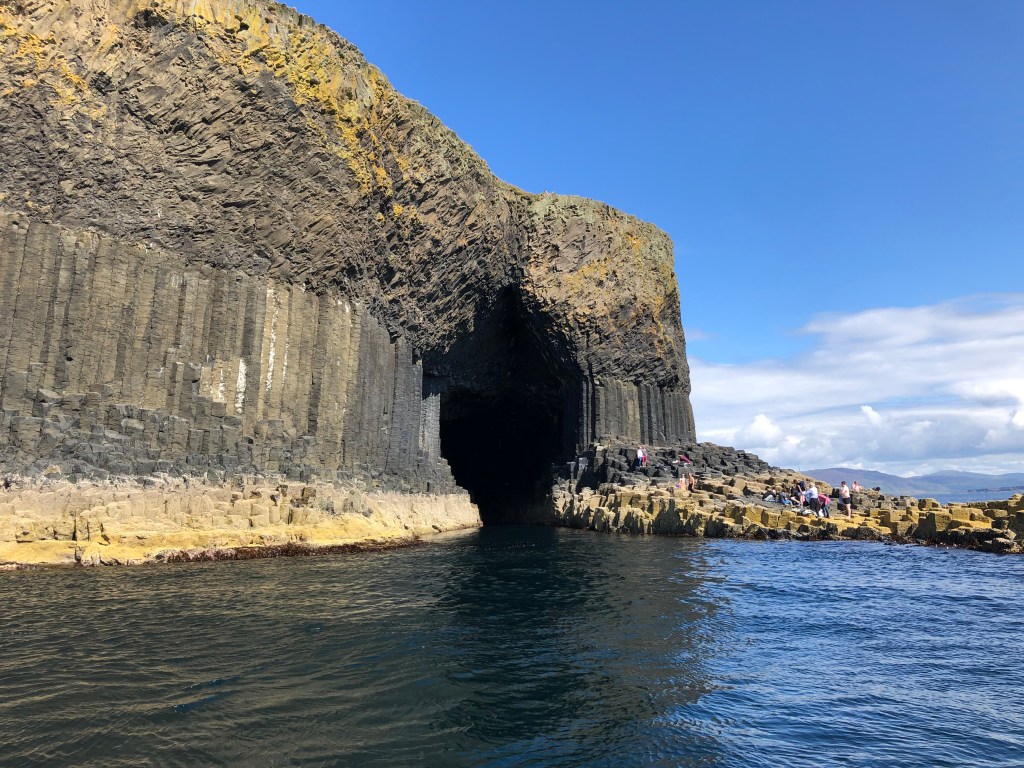
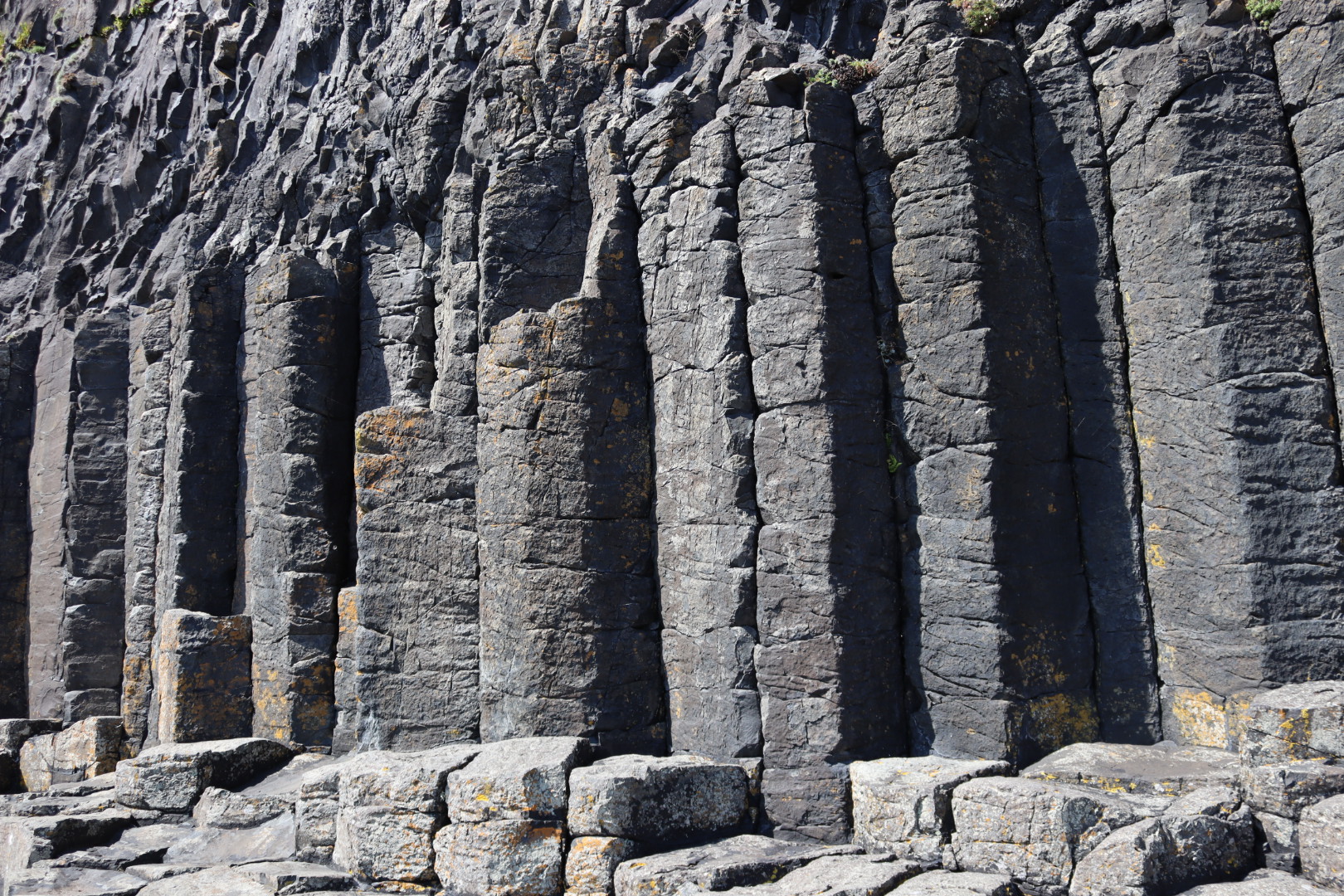
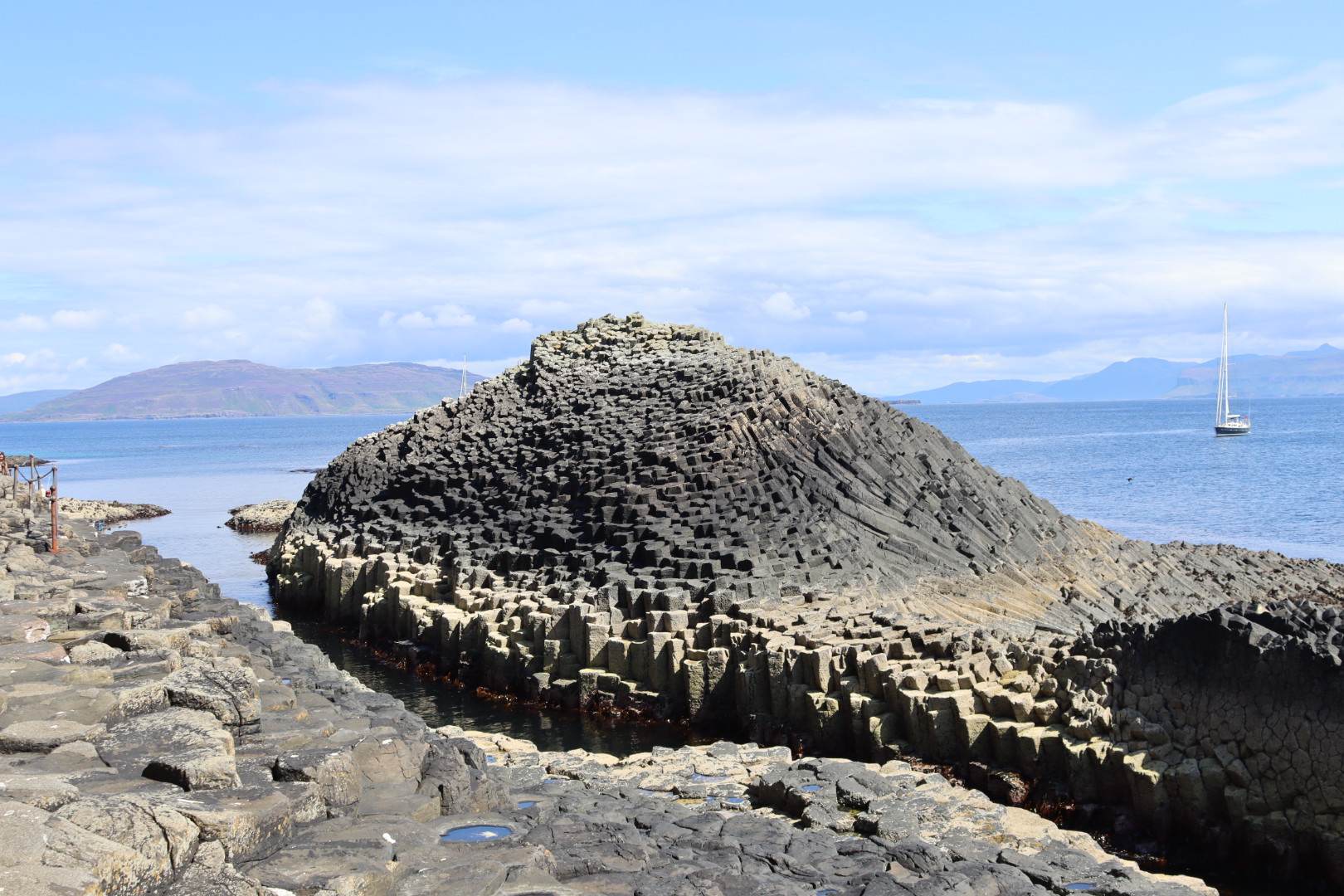
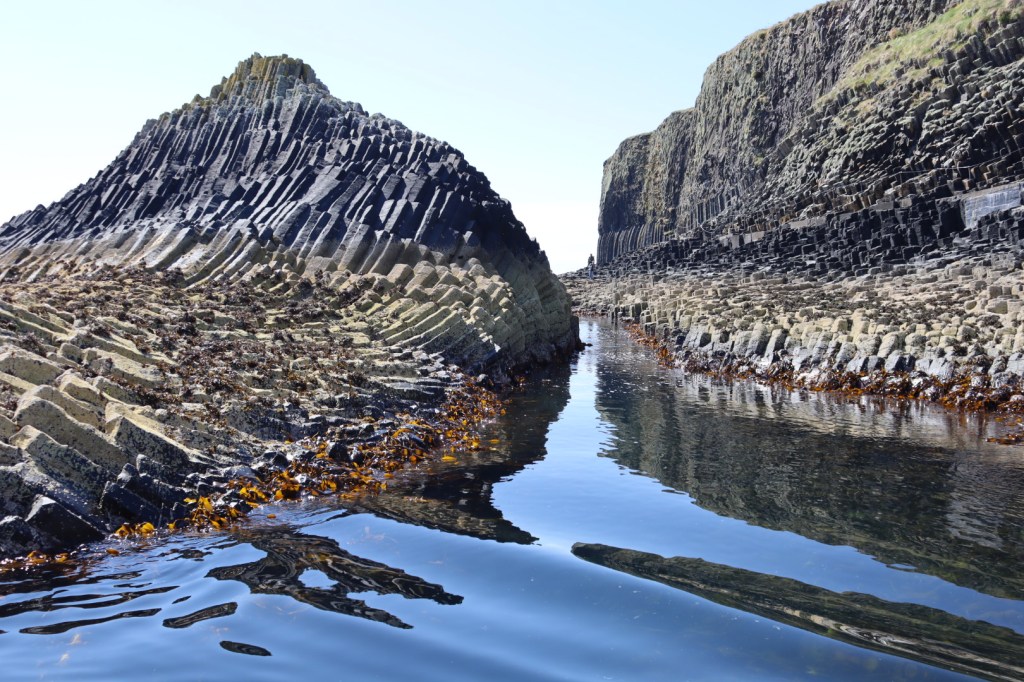
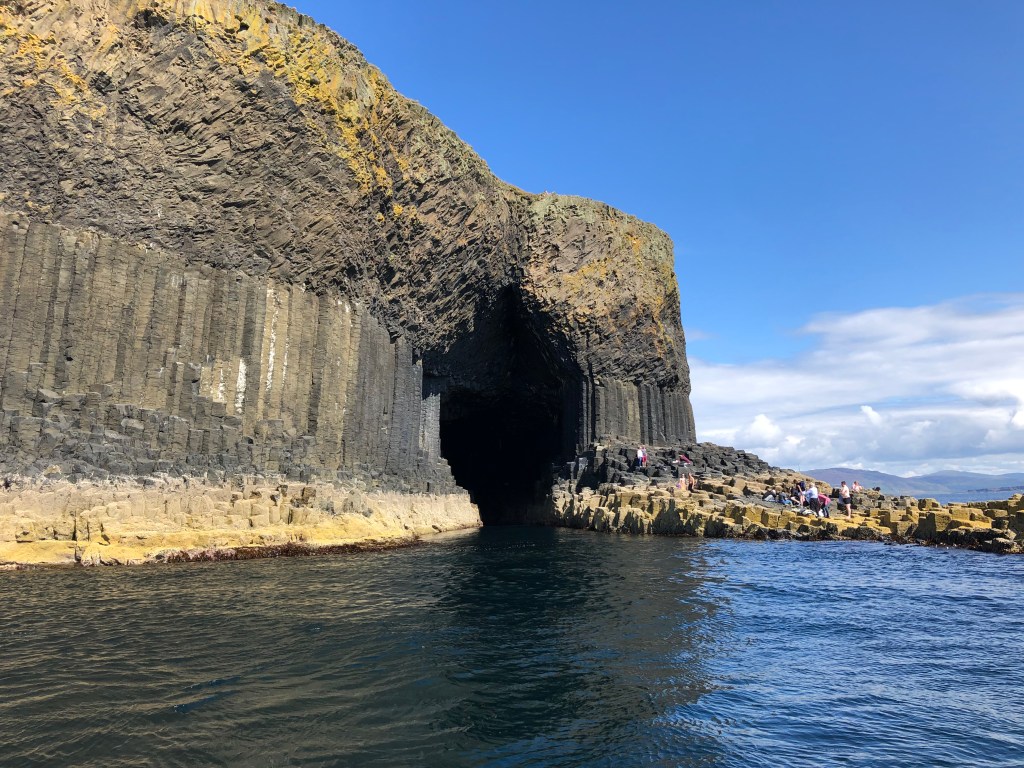
The boat ride from Iona to Staffa is around twenty minutes (but you can also depart from Mull or Oban) and on the approach the crew tell you all about Staffa and the surrounding islands. You will see Fingal’s Cave with its basalt columns (like the Giant’s Causeway in Northern Ireland) and its dark, mysterious mouth. Puffins also nest on Staffa from spring up until early August (unfortunately I missed them by about a week when I went!)
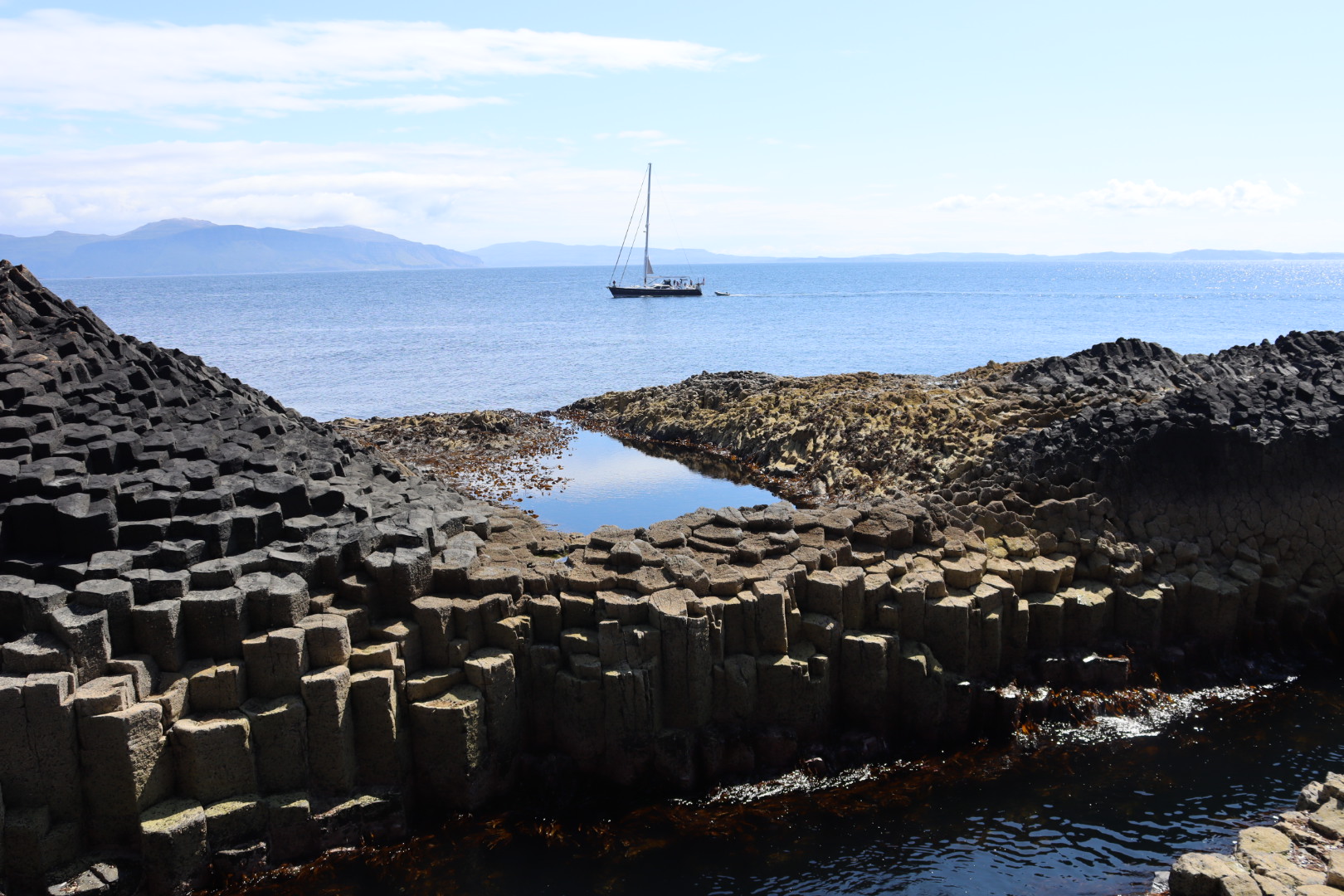
You get off the boat and walk across the basalt columns round to the entrance of the cave (where some brave souls can swim). You can also walk up to the top of Staffa so you stand right over the mouth of the cave. The colours of Staff are incredibly striking: the dark inky-blue sea, the greens and purples of the grass and heather, as well as the black hexagonal rocks. It’s wonderful to see.
There isn’t anything on Staffa (facilities-wise), so be sure to take water to drink but you can leave heavy bags on the boat. There are also some steep and narrow stairs to climb to get to the top.
When you return to Iona, I recommend Afternoon Tea at the Argyll Hotel for a cuppa with a gorgeous, serene and unforgettable view.
Have you been to Iona or Staffa? What were your memories of them?
ICYMI: summer is coming to end. Pumpkin spice is in the air, jumpers and scarfs are being rescued from the backs of wardrobes and under beds. Soon, we will be saying to each other “hey isn’t it getting dark so much earlier now… when do the clocks change again?” So, this may seem like a strange time to write a post about some of my favourite beach walks, but Autumn is when English beaches come into their own. I think of brightly coloured jumpers, boots on the sand and a cool wind making the tip of your nose tingle. Then fish and chips and mug of tea to warm yourself up after a slow walk in the salt air. Here are some of my favourites places to explore as the season changes.
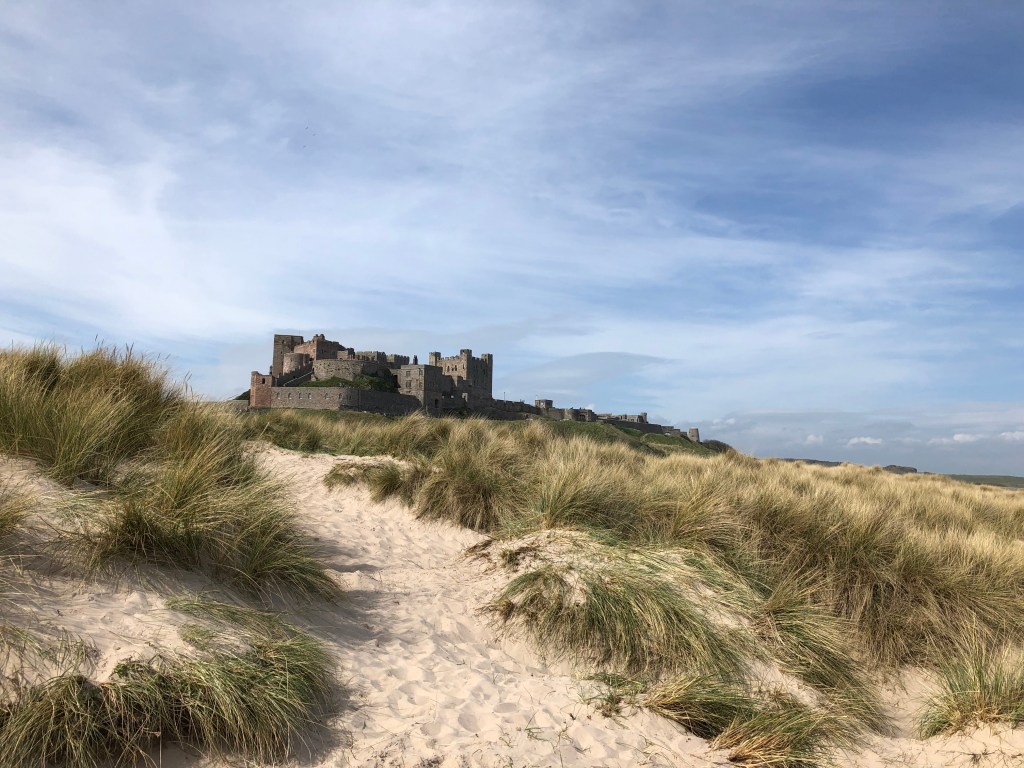
Bamburgh Beach, Northumberland
This beach seems to go on for miles and miles and I’ve never known it feel busy. I’ve also never known it to be warm either – there’s always a sneaky wind so take plenty of clothes to wrap up. It feels quite rugged in places and is beautiful on a cold clear day.
The beach is also watched over by the huge Bamburgh Castle which is fun to visit.
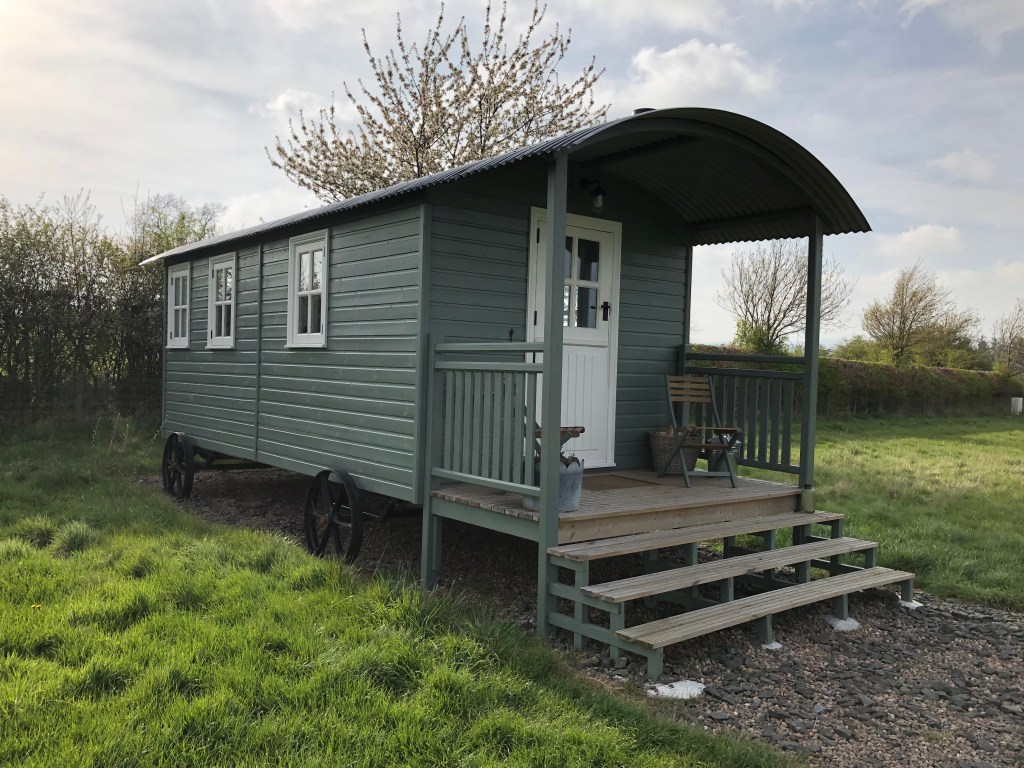
We stayed in a shepherd’s hut at Westfield House Farm which was absolutely gorgeous and super comfy – would definitely recommend this place for those who like glamping or staying somewhere a bit different.
Whitby, Yorkshire
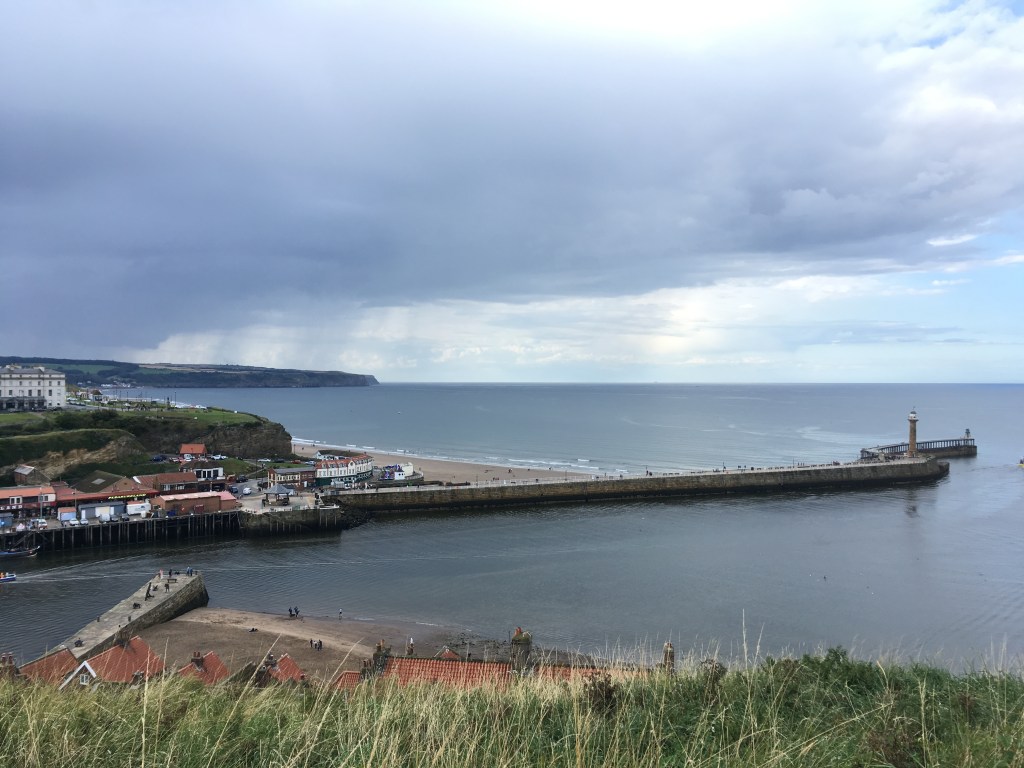
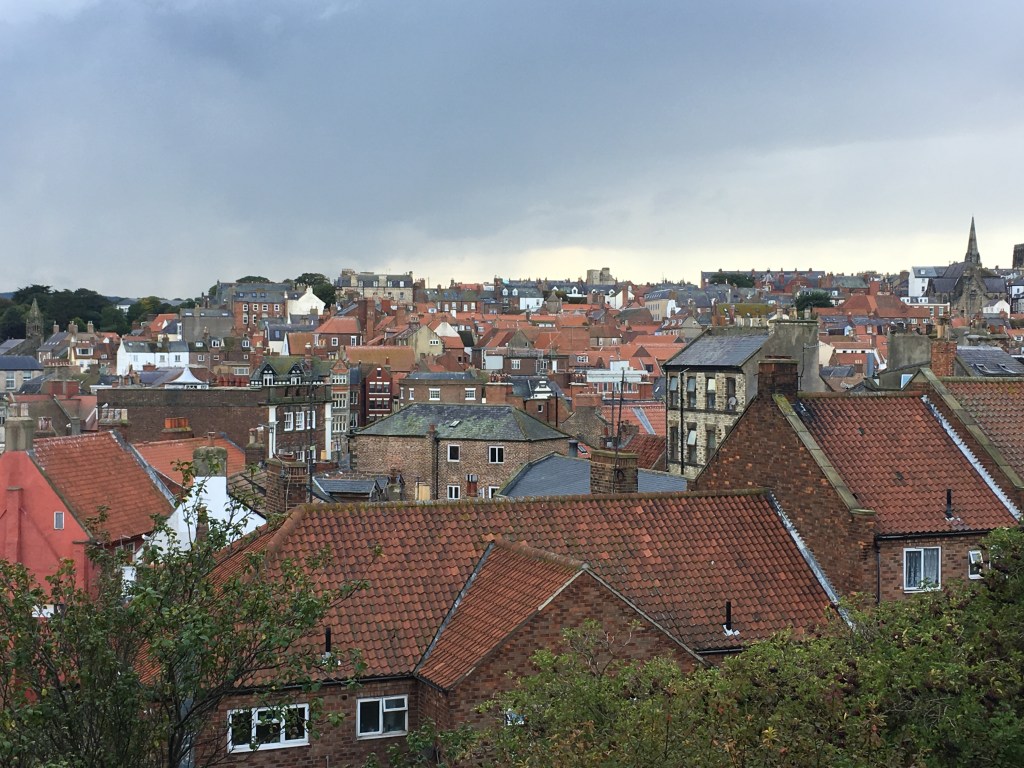
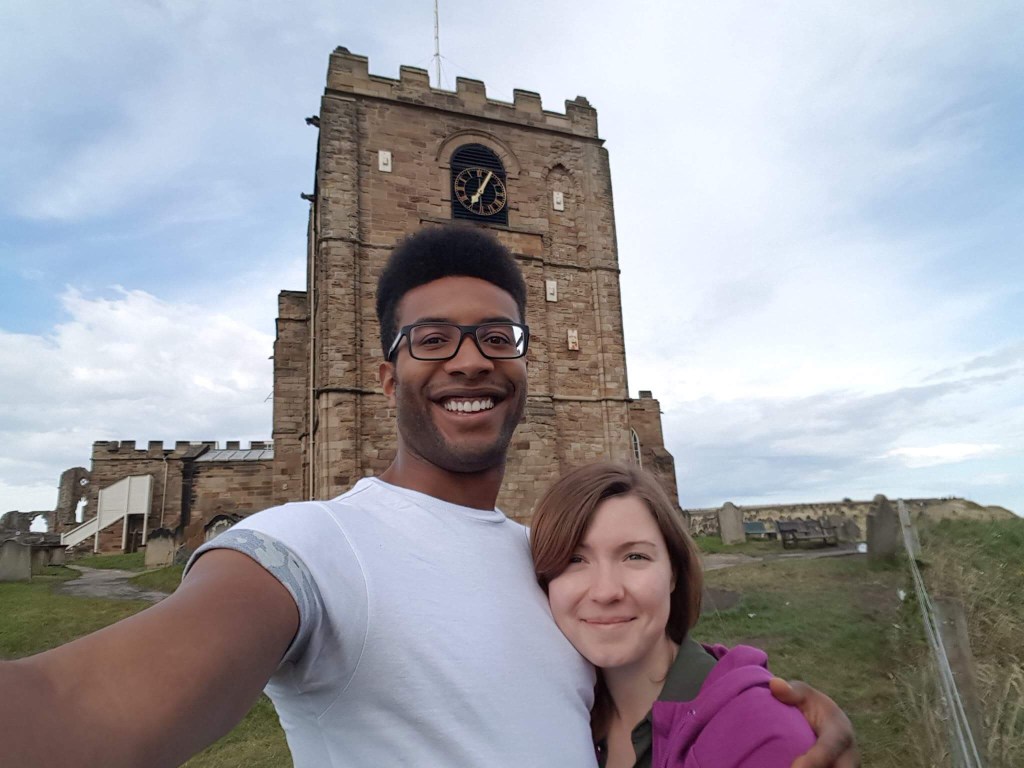
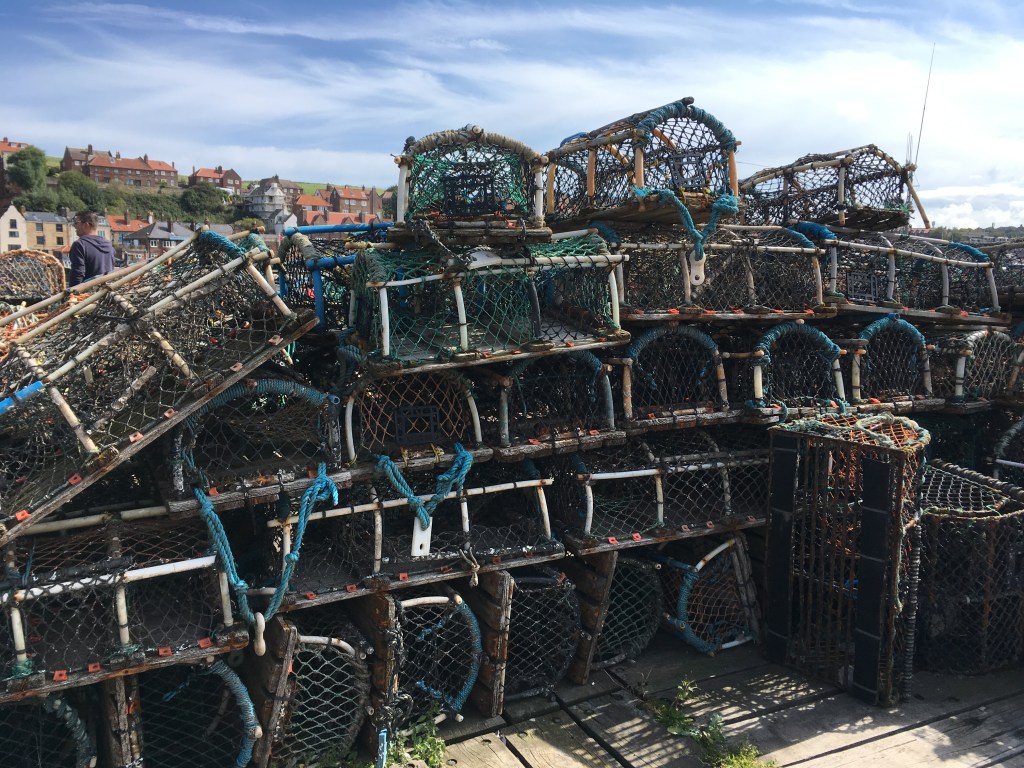
Whitby is a small seaside town that is bursting with things to see and do. There’s the links to Dracula to explore, the 199 steps to climb up to the ruins of the abbey, and a whale’s jaw bone to stand under and take a picture of.
My favourite thing to do in Whitby is to get some of the superb fish and chips and then walk up to the abbey. Magpie Café is super traditional and lovely, or you could go the Star Inn the Harbour for something a bit more fancy.
It’s a great day out and very atmospheric at night for a walk through the cobbled streets.
Wells-next-the-Sea, Norfolk
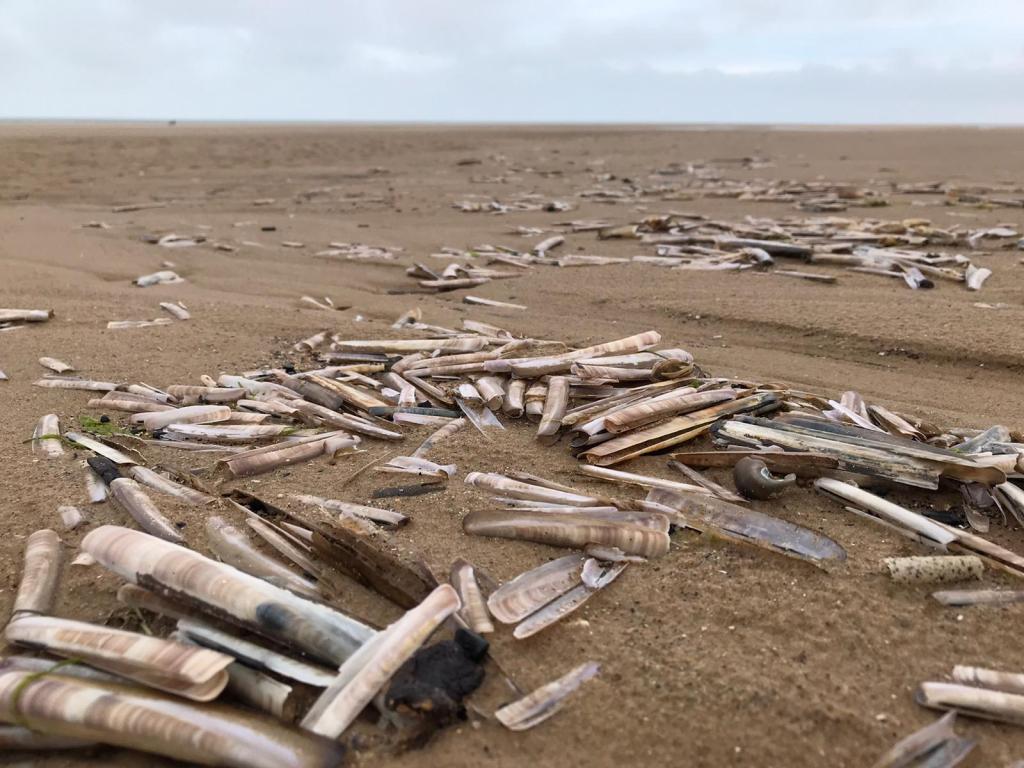
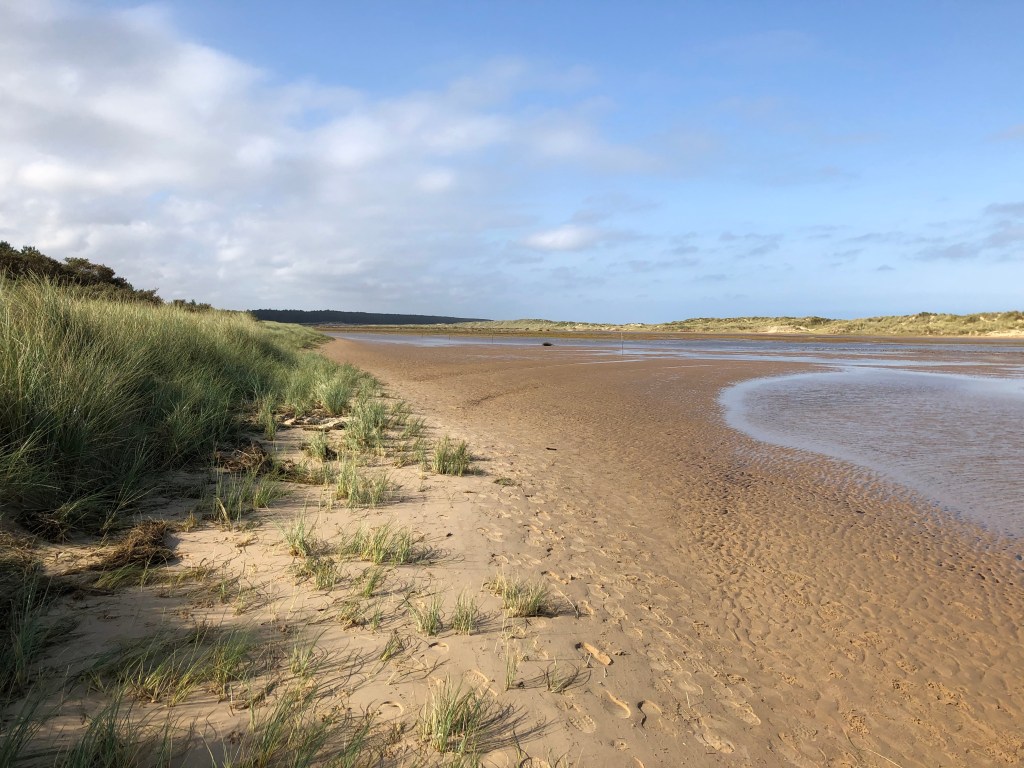
Bright and colourful beach huts line the beach making even the cloudiest and gloomiest of days feel joyful. Walk from Wells-Next-The-Sea to Holkham past the lagoon: it’s also a great place for looking for the mussel, oyster and razor clam shells that decorate the beach.
Wells-next-the-Sea is a very picturesque little village with two great hotels (The Crown and The Globe Inn).
“What about the rest of the UK?” I hear you cry. Well, I’ve only ever been to Northern Ireland and Scottish beaches in summer when they are looking magical and so cannot confirm, but am highly convinced, that they would also make for glorious autumnal walks. And as for Wales, I am currently travelling there! It is my first time so I’m looking forward to coming home with some Welsh recommendations of where to go and visit.
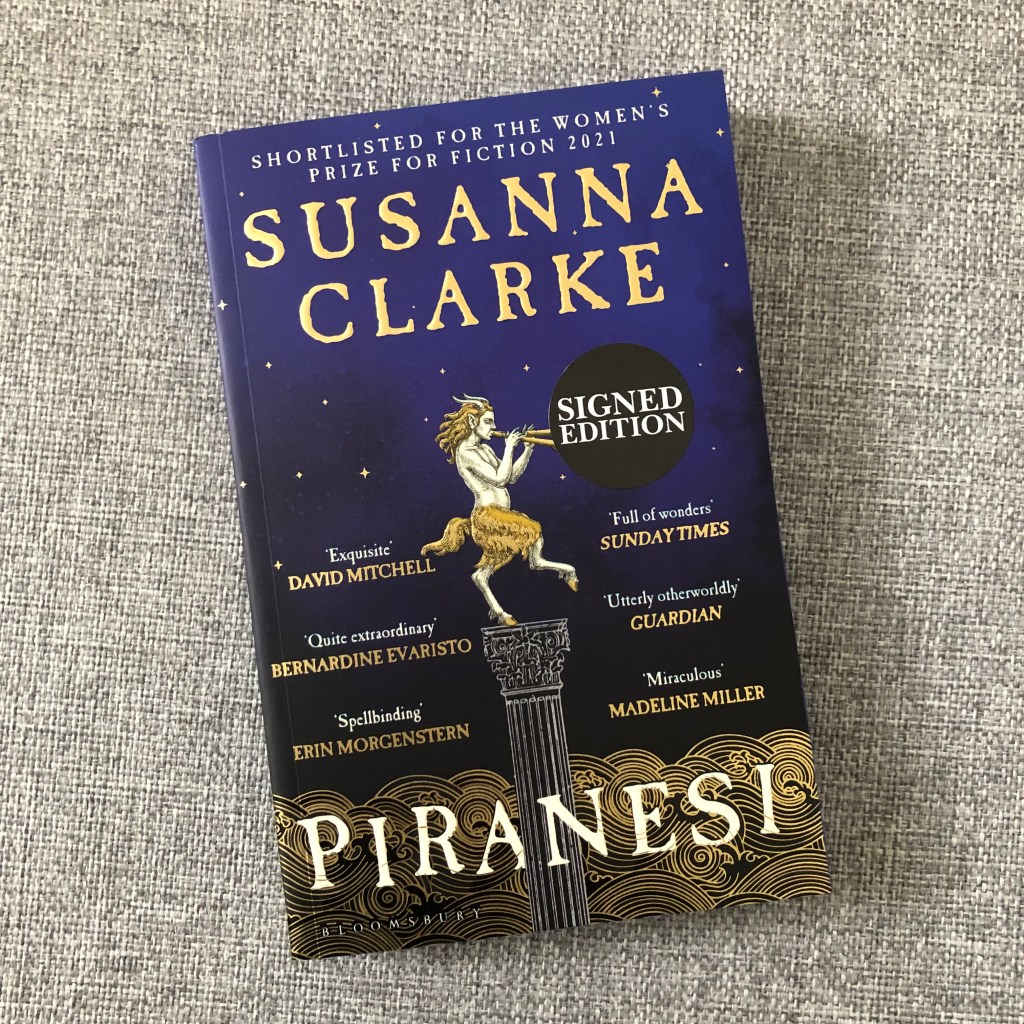
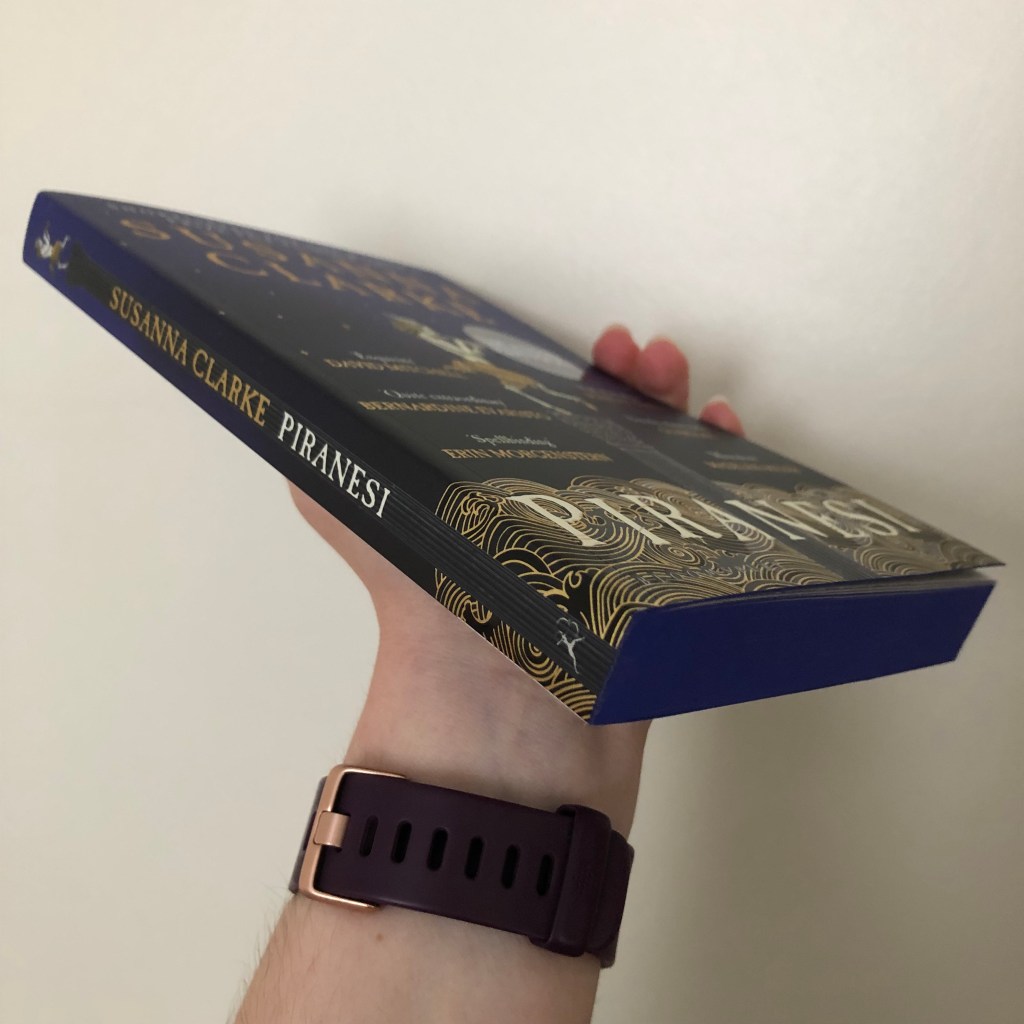
Piranesi is a story to get lost in. It is a perfect book for this time of year: you can pick up on a drizzly Sunday morning, snuggled on the sofa with a cup of tea, and not put it down until tea time. It’s novel to be transported away by.
Piranesi lives in another World: one that is set up as a series of halls on different levels. The halls go in each direction of the compass and Piranesi, who is determined to “travel as much of the World as (he) can in (his) lifetime,” has gone as far as the “Nine-Hundred-and-Sixtieth Hall to the West, the Eight-Hundred-and-Ninetieth Hall to the North and the Seven-Hundred-and-Sixty-Eighth Hall to the South.” On the level above are the clouds and birds, and on the level below are the waves and tides. Piranesi lives in the World alone except for “the Other” who he sees on a weekly basis to discuss the finding of Knowledge. It is Piranesi’s belief that it his duty to document the halls and the vast array of statues to be found there: each statue different, each one with its own story.
In the Fifty-Second Western Hall I came upon a Wall ablaze with so much golden Light that the Statues appeared to be dissolving into it. From there I passed into a little Antechamber with few Windows, where it was cool and shadowy. I saw the Statue of a Woman holding out a wide, flat Dish so that a Bear Cub could drink from it.
Piranesi
That is until he starts to find evidence of someone else in the Halls. He can smell their perfume and sees the chalk markings they have left for themselves so they do not get lost. As Piranesi begins to learn more about the new person, he begins to re-read his earlier journals and starts to ask questions about himself and the Other. He knows that Piranesi is the name the Other has given him but cannot remember what his name was before that.
I read this book over two nights. Once I had got my head round the layout of the World with the different Halls and statues, I became immersed in it. The character is compelling and as the story unravels, and the danger Piranesi begins to find himself in increases, I was racing through to see what would happen next.
And you. Who are You? Who is it that I am writing for? Are You a traveller who has cheated Tides and crossed Broken Floors and Derelict stairs to reach these Halls? Or are You perhaps someone who inhabits my own Halls long after I am dead?
Piranesi
Since finishing the book I have looked up who the real Piranesi was and while I don’t think it is a spoiler in any way to know who he was (I don’t think it would have changed how much I enjoyed the book), if you don’t want to know please don’t read on but come back when you have read the book because this man was fascinating.
“I need to produce great ideas, and I believe that if I were commissioned to design a new universe, I would be mad enough to undertake it.”
Statement from Giovanni Battista Piranesi reported by one of his biographers – quote included in the Met Museum article, October 2003 (link to article below)
Giovanni Battista Piranesi was an artist in Venice in the 18th Century. He began as an apprentice working for an artist who created etchings of Rome and sold them as souvenirs for pilgrims, tourists and other visitors. Piranesi, however, always dreamed of being an architect and, taking inspiration from the ruins of Rome, he also created etchings of imaginary, incredibly complex, prisons. Looking at the etchings on a computer screen is probably useless in terms of getting a real feel for what they look like, but even from a screen you can see how wonderfully intricate but also frighteningly dark the prisons of Piranesi’s imagination are.
From reading about him it seems that he never gave up on the dream of being an architect. I found an article written by Jonathan Jones for The Guardian to be particularly interesting (I have put the link to the article below). According to Jones, Piranesi’s prints “were conceived as souvenirs – that is what Italy had come to by the 18th Century…. When Piranesi republished (the La Carceri series) in the extra-sinister edition of 1761… he gave himself an opening credit as “G Battista Piranesi, Venetian Architect.” The was as much a fantasy as the prisons themselves.”
Amongst the changing Venice, now on the start of its slow decline, Piranesi created his prints and got lost in his dreams.
Piranesi is more than half in love with his prisons. They are a place his imagination can wander, and at the same time an impossible place – the prints contain spatial paradoxes, including a staircase that exists on two planes simultaneously. It is a place without limits or contexts: Piranesi’s prison interiors have no outer walls, and each vista is cut off only by the frame of the image itself. The spaces are so big, so continuous, that they may not even be interiors; this may be a city that has grown into a world, where interior and exterior are no longer definable.
Jonathan Jones, The Guardian 6 November 2002 (link to article below)
I am so pleased that Susanna Clarke’s Piranesi encouraged me to research him and be introduced to the artist (architect) and his work: I have enjoyed reading about him. There is so much in the detail about Venice at that time, how artists created ‘art’ for souvenirs to make money, the changes in the city and getting lost in one’s own imagination.
As I’ve said in previous blog posts, I’m a big fan of going solo when travelling. Two weeks ago I went on my first solo-trip in over two years: I was up in Scotland visiting the Isles of Mull, Skye and Iona. I loved it but now I’ve had a bit of time at home to reflect on what it was like to be out on my own after such a long break away from travel.
1. I was nervous like never before!
Pre-covid I was pretty fearless: I would pack my bags and be off. 2021 felt a little different. I was nervous. So nervous. As my boyfriend drove me to the train station to get my train to Glasgow I felt sick and teary, he even asked me why I was going. Because I have to, I said. I had to prove to myself that I still had it in me to go somewhere completely new on my own. The moment I felt the train pull away from the station, my nervousness disappeared. It was like I did a big sigh out and all the tension dropped away. I was off!
I was nervous about travelling by public transport: what would it be like and how busy would it be? Would the trains feel clean? Missing my connections also really worried me too – I had to change on the way there and twice on the way back.
It was my experience that most people on the trains were still wearing masks (it was requested by the train company to do so to keep their staff safe, and they were also still encouraged but not mandatory at that point in Scotland), and people were still giving each other plenty of room. My train back from Glasgow to Edinburgh was cancelled in the end which meant I missed all my other trains, but y’know, it was fine. The train guards let me on the next train with no problem and I was able to get a seat. So, it was ok even for all the worrying!
Lesson 1: don’t worry about the travel!
2. Other women who travel!
Up on Mull and Iona there were so many other women travelling by themselves! I have never been somewhere where every pub or restaurant I went there was another woman sat alone. It filled me up with joy. It also meant I was able to meet some great women: one who told me all about the whales, seals and puffins off the coast, for example, then there was a lady at breakfast who told me about a great walk to do in Tobermory, and one woman I walked round Iona and Staffa with knew so much about the history of Scotland and all the warring clans that I learnt so much. I also got some great trip advice for what to do in other parts of Scotland from them (I do love hearing other traveller stories).
Fingal’s Cave, Staffa
My only complaint was that some of the restaurants did not seem to know how to seat me as a party of one. I had some weird corner tables right at the back of the dining room facing a wall, or perched on an empty bar (normally I quite like sitting at the bar, but this time I was tucked away at the end with the cutlery). So maybe that is something to work on: Isle of Mull – I’m talking to you!
Lesson 2: talk to people, you never know what you might learn.
3. Feeling the weather!
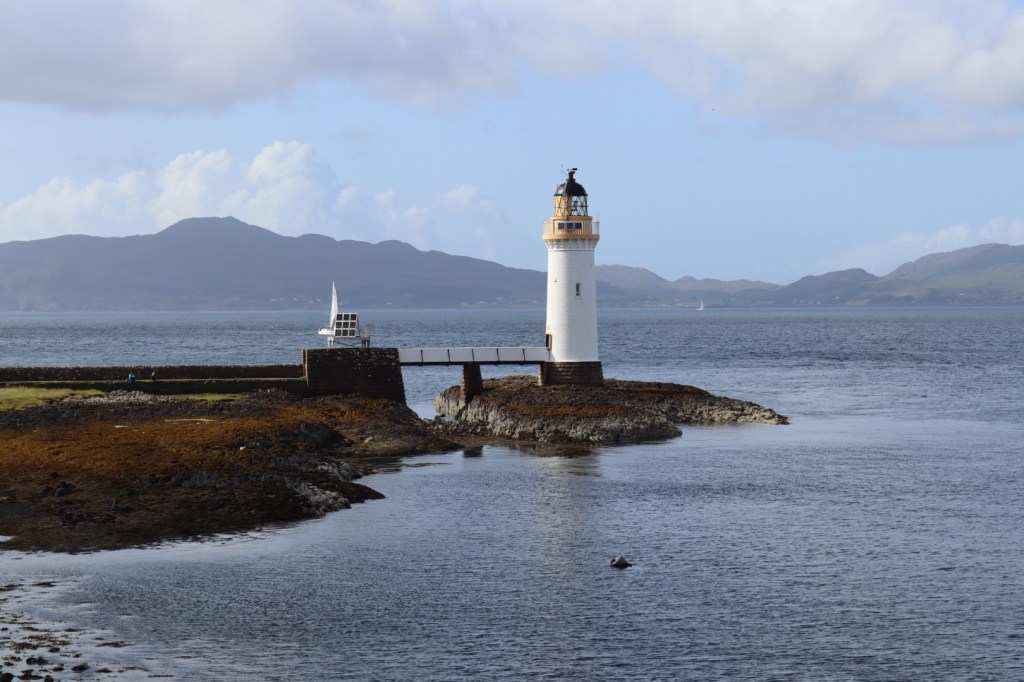
Finally, it felt so good to be back out in the elements. In Mull I had all the weather – rain and mist making my castle and loch visits moody and atmospheric; I also had some gorgeous sun for my walk out to the lighthouse in Tobermory.
In Iona I had such a calm and wonderful day where the sky and sea turned shades of blue I have never seen before. Iona has such a powerfully calming presence and it does feel like you are the last person on the planet when you are there.
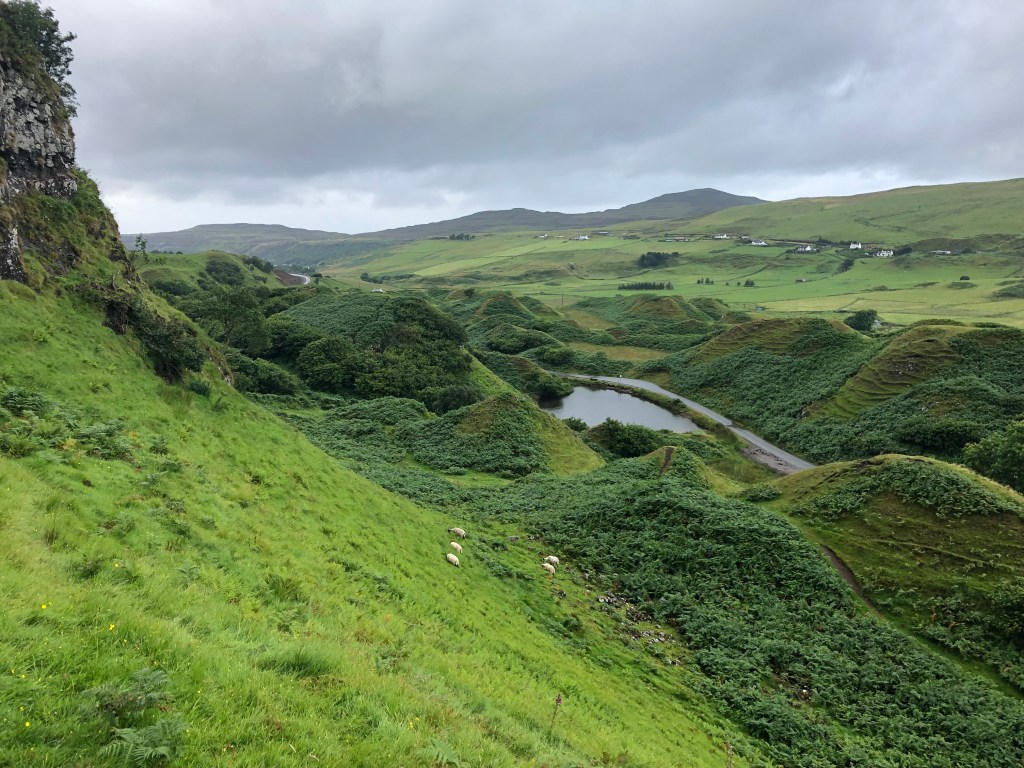
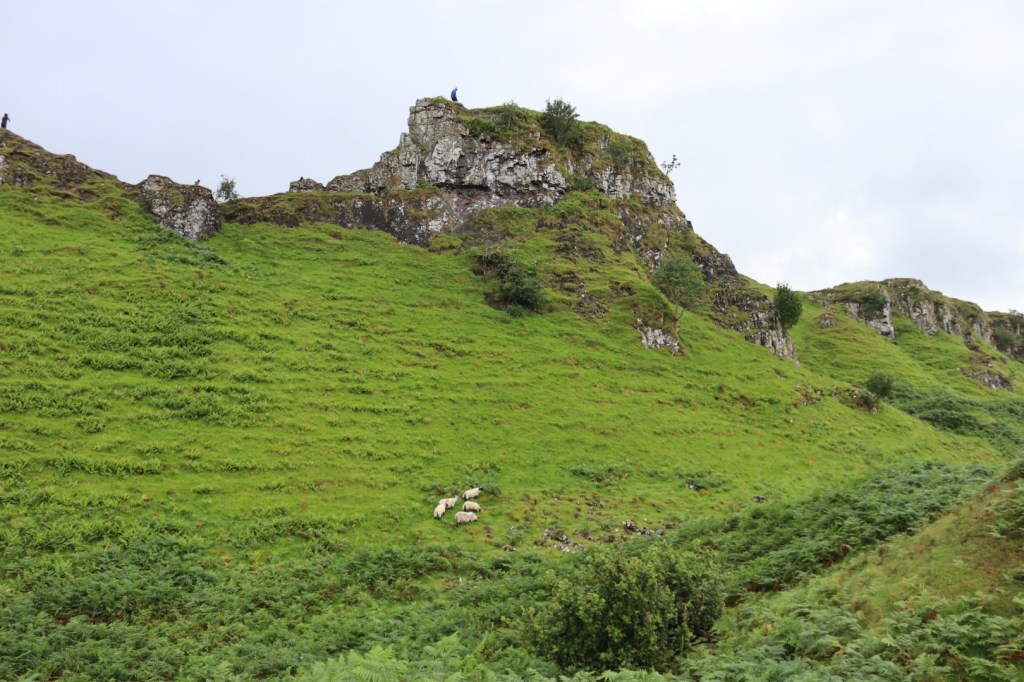
In Skye, I had the most exposure to the Scottish elements. On the day I visited the Fairy Pools and Fairy Glen it poured down which meant that the stepping stones to the pools were closed for safety, unfortunately. But the glen was still special to see in the mist and the mud. The Fairy Glen is an area nestled in to the surrounding crofts where the fairies are believed to dwell. There is a range of conical shaped hills, with remains of a “castle” (a natural rock formation that does look like it could have once been a fairy castle) and a small loch. I was covered in mud after I had finished exploring!
Lesson 3: no such thing as bad weather only bad clothing!
So, after being cooped up at home for so long it was soul-enriching to be back out on the road and Scotland gave me all kinds of adventure. I’m so glad I got on that train! If any other solo-travellers are looking for a place to go that is easy to get round with plenty to do: get off to Mull, Skye and Iona, you won’t be disappointed.
Glasgow, Scotland’s largest city (and I would say it’s most vibrant), has so much to offer including fantastic restaurants, bars and coffee shops, museums such as the Kelvingrove, the botanical gardens, as well as countless beautiful walking trails. But, if you fancy a day trip away from the city, I recommend this road trip itinerary which takes you up through Loch Lomond and Luss for a quick morning paddleboard, on to Inveraray with an oyster lunch on Loch Fyne, and then up to Oban for an afternoon of whiskey and chocolate tasting.
Timings by car: Glasgow to Loch Lomond: 50 minutes. Loch Lomond to Inverarary: 50 minutes. Inverarary to Oban: 1 hour. Oban to Glasgow: 2 hours, 30 minutes.
Loch Lomond and Luss
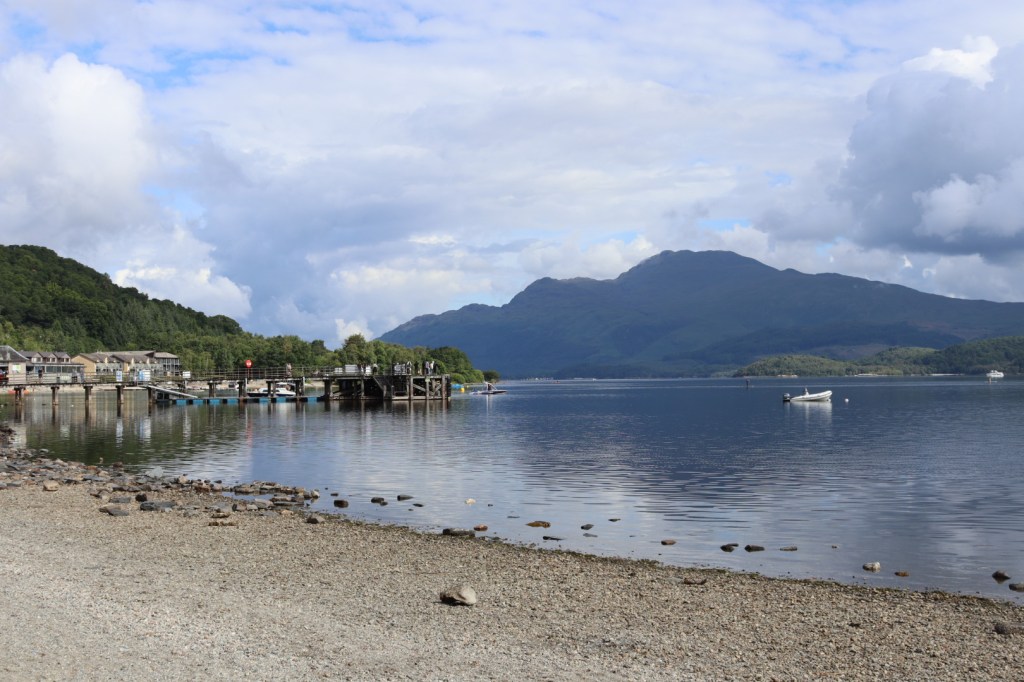
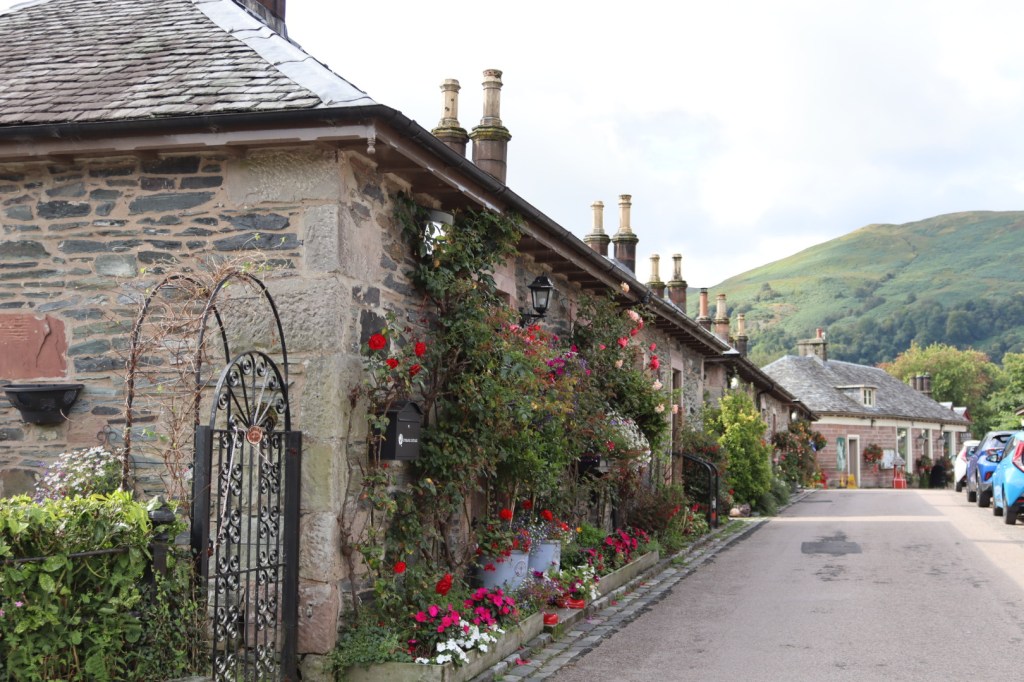
Start the day off with a short drive to Luss – voted the prettiest village in Scotland on multiple occasions.
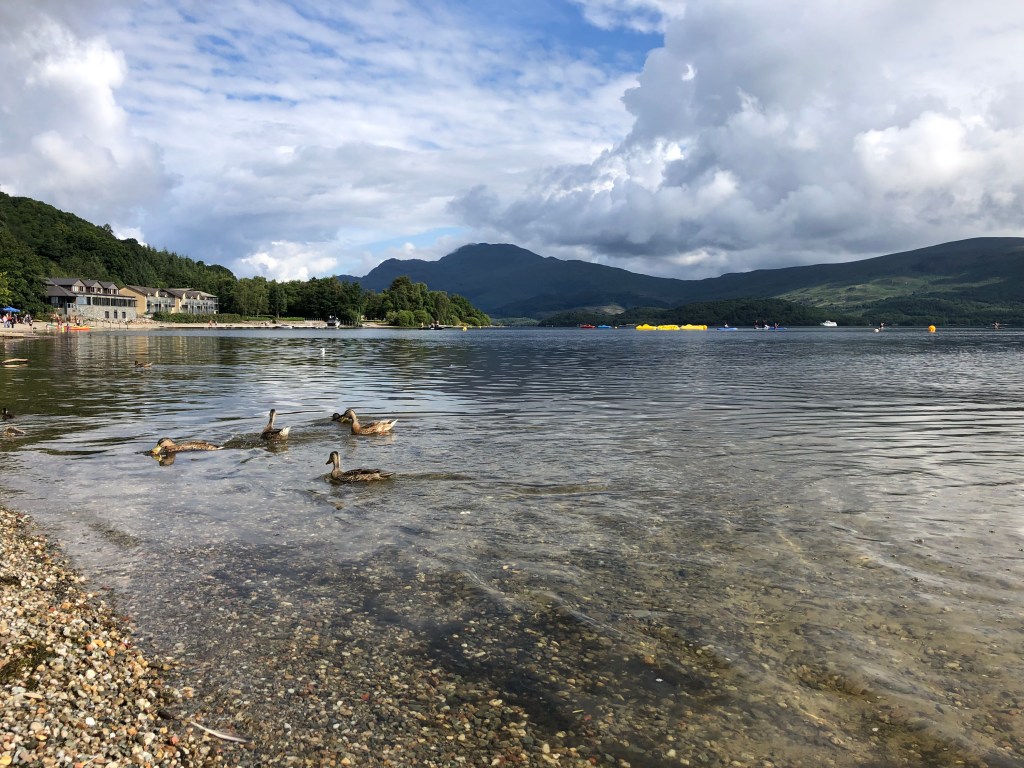
Part of the Loch Lomond and The Trossachs National Park, there is plenty to see and do here and you could spend a whole holiday exploring this area. For a day trip, you can spend the morning by the water (or even out on the water for a quick kayak or paddleboard), and looking around Luss.
Inveraray
After Loch Lomond, head to the town of Inveraray on the shore of Loch Fyne. Many people in the UK will have heard of the Loch Fyne restaurants and you can visit the original one here and have fresh oysters for lunch!
Inveraray itself is small and fun to walk round as well as being very photogenic. There is also an award-winning museum to visit: ‘Inveraray Jail’ where you can get an idea of what a 19th century prison would have been like.
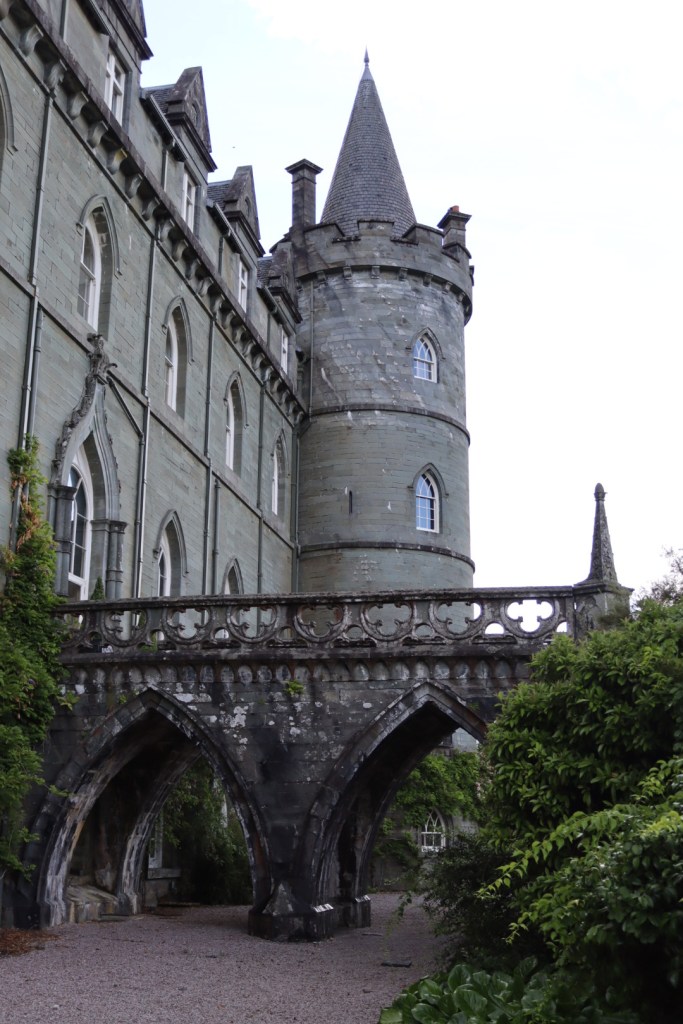
Whilst here, you can also visit Inveraray Castle – home of the Duke of Argyll, Chief of the Clan Campbell. Whilst I am hesitant to encourage people to spend money visiting the home of someone who plays ‘elephant polo,’ the castle is stunning and looks straight out of a fairy-tale. You can look around the rooms and walk in the gardens. There is also a tearoom where you can eat scones made by the Duchess.
Oban
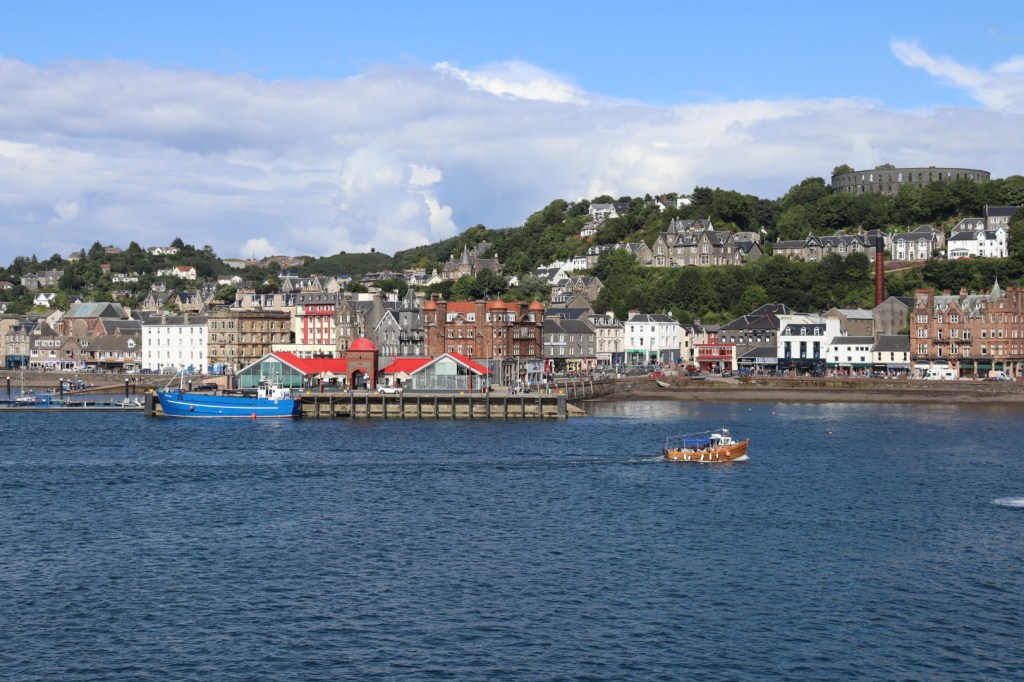
Finally, head to Oban. Similar to Loch Lomond, you could spend an entire holiday in Oban and use it as a base to visit the Hebridean Isles such as Mull and Skye. There are plenty of wildlife tours and boat trips, if you have time, and Oban is beautiful to look at from the water.
If you only have a short amount of time here, I recommend just walking through the streets and getting some chips from the famous Nories. There is also Oban Distillery which is well worth a visit for those who want to learn more about (and sample) some of Scotland’s finest whiskey. For those who don’t like whiskey, there is Oban Chocolate Company.
It will be a long and busy day but worth it for all you will be able to see and do. If you can stay longer, there is so much more to explore, but for a snapshot and the chance to try some of Scotland’s best food, this is a fun day trip.
I don’t want to write too much about this book because I think the less you know going in, the better you will find it!
Femi: Got it?
Charlotte: Literally just got it. Flicking through. There’s a lot here. Gulp.
Femi: We just need to focus, immerse ourselves, get a clear perspective
Charlotte: But have you seen it? It’s all emails and messages. Wonder why Tanner won’t tell us the background? Intrigued already.
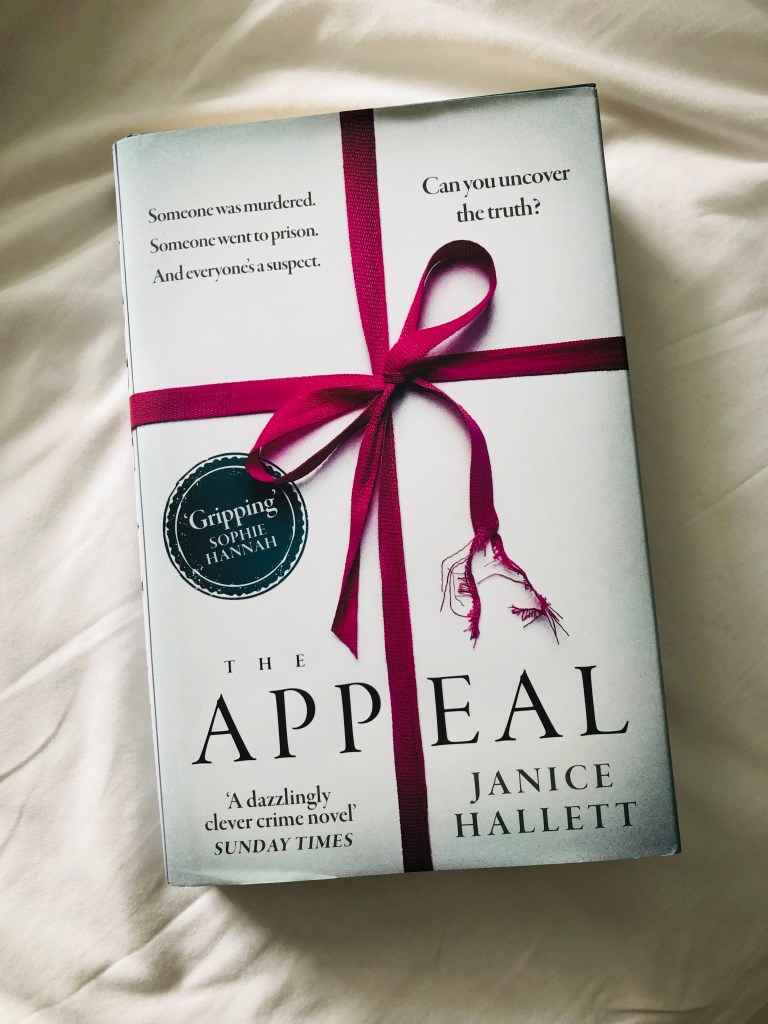
The Appeal
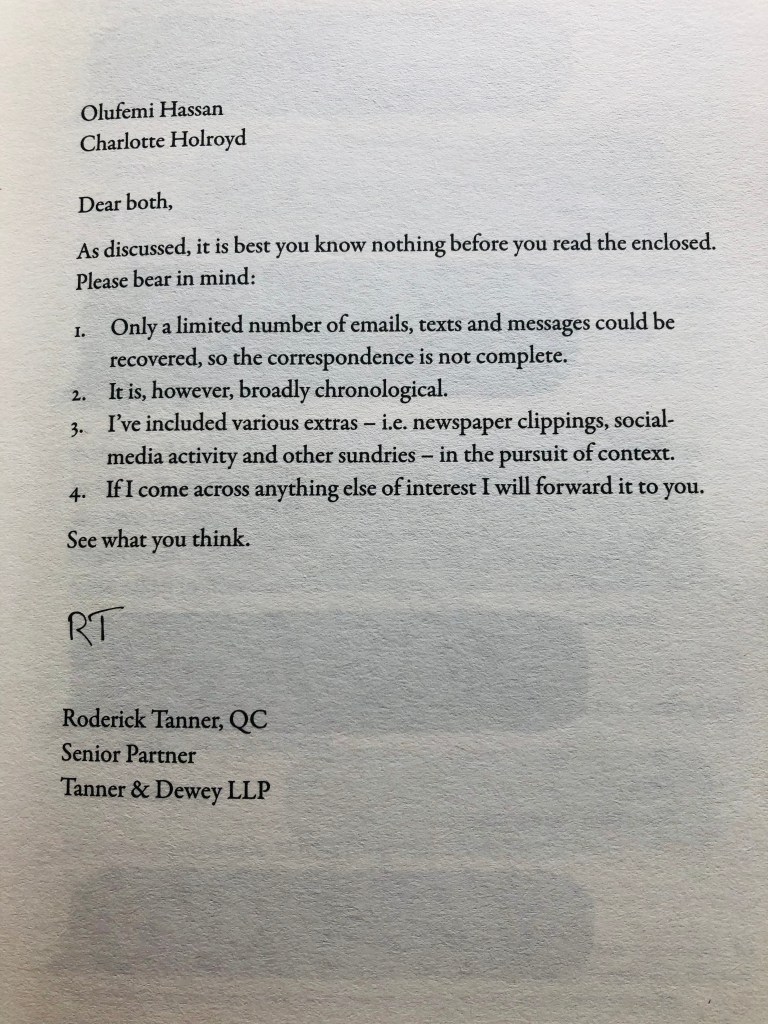
Charlotte and Femi are given case papers to read and prepare. It’s a collection of emails, text messages and other written notes, and we read through them as they do. The messages have been put in chronological order: they start with the arrival of two new members to a community, a little girl being diagnosed with a serious illness and a family desperate to raise money for a new drug that might save her, and, on top of all of that, there is a play that needs to be cast and rehearsed.
We also know that someone has been murdered, but when? And someone has been convicted, but who?
This book is addictive. Do not start it just before bed or just before you have to leave the house. As the emails and texts pile up and the senders start to contradict each other and themselves, who is telling the truth? Who knew what? Was anybody actually where they said they were?
I thought it was brilliant, very clever and very funny. Through the different tones of the emails Janice Hallett reveals each character’s personality and they are all so brilliant to read. The Appeal was full of twists and surprises, packed full of action and (amateur) dramatics: I loved every minute of it.
‘Is it real, do you think? Is it the end of the world?’
‘I don’t know.’
Ruth pushes herself to sit, looking out at the ocean before her. At the edge of the sea there is a pink light. ‘Look.’
Nik sits too and looks where her finger directs. The horizon appears to be glowing; the colour is starting to spread.
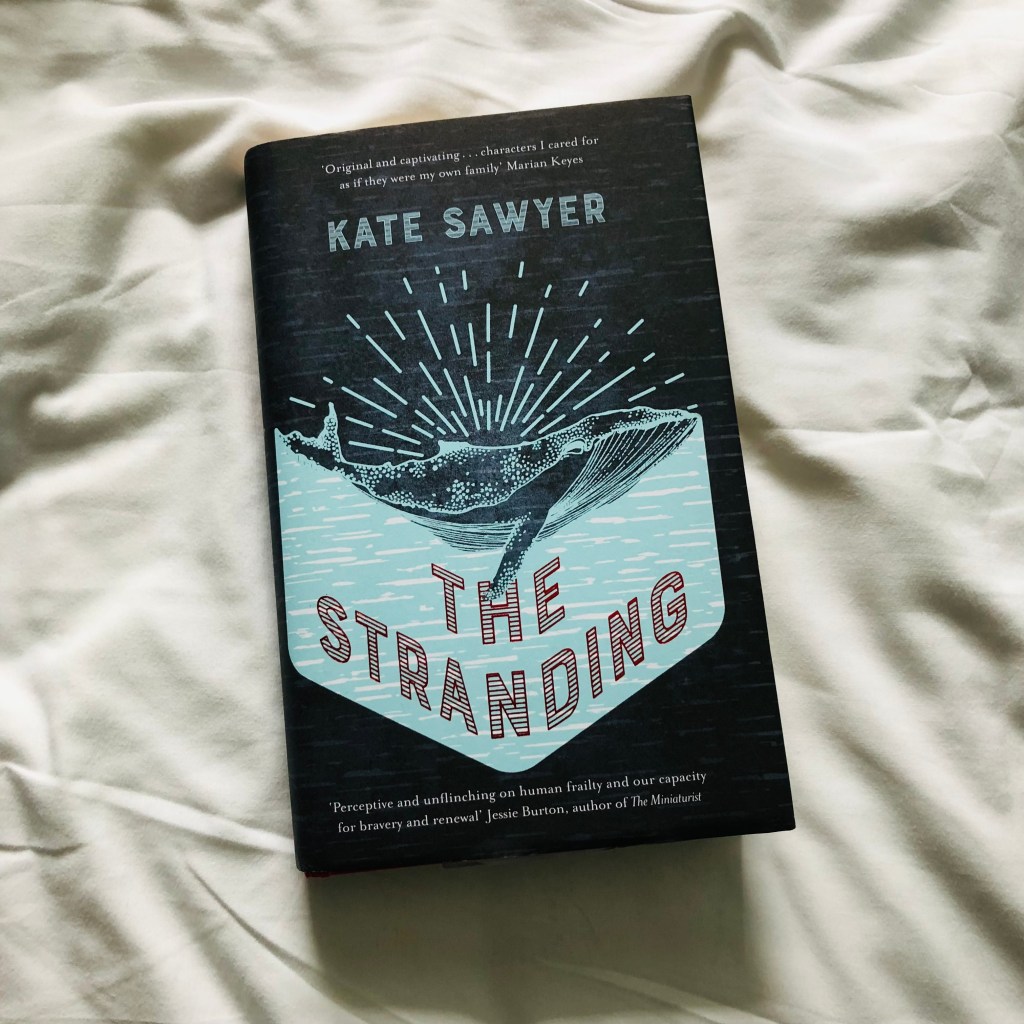
The Stranding
Ruth has travelled from London to New Zealand just in time (unbeknownst to her) to see the world end. On a beach, moments before it does, she meets Nik and together they clamber into the mouth of a dead whale that has been stranded there. The whale protects them and they climb out to a world where it looks like it’s just the two of them who have survived.
The book is told in two timelines which alternate telling Ruth’s life in the Before, and what led her to be on the beach that day, and her life after the whale.
His name is Nik.
He has a pick-up truck.
He’s a photographer.
How strange that she only knows these few facts about him, yet her fate feels inextricably bound to his.
The Stranding
I found this story completely engrossing and had to tear myself away from reading it. It explores being a young woman in modern society and finding love – not just loving other people, but with yourself. It’s tender and heart-breaking but also surprisingly funny for a book about the end of days. Whether it’s observations of tourists in London trying to buy breakfast items that contain neither fruit nor gluten, or wry comments about having to get used to a new bathroom routine that accompanies moving in with someone; this book made me laugh.
Having finished her book, Ruth watches the world pass by through the train window. Her mood is lighter than just four days ago, and the momentum of the train makes her feel as though she is achieving something despite sitting still. She has always wanted to experience long-distance travel by train, to cross continents overland, to see landscapes evolve as she slides along the rails from one country to the next. She has had a lifelong dream to travel on the Trans-Siberian Railway. She remembers using the dial-up internet on the family computer as a teenager, researching and putting together a budget for a journey that would take her from St Petersburg across the Gobi Desert all the way to Beijing.
The Stranding
The characters from this book will also stay with me for a long time. I felt an affinity to Ruth and her longings for travel and her secret trip-planning spreadsheets which she escapes to (yes, I have one). I know very well that feeling of just wanting to leave it all behind, run, and get on a plane and find yourself somewhere completely new. The Stranding had me thinking of places in the world I still want to go and explore, of how big the world out there is, and how little of it we will ever really know. But also the difference between going for adventure and for running away. Either way, sometimes you’ve just got to move.
The book also makes you stop and think about how humans treat the planet and how we take it for granted sometimes. With references to plastic bottles, air miles and recycling, it subtly reminds us that we should all be doing more to help protect the planet and that one day it may all end.
‘Humans!’ she says, shaking her head. ‘Have humans always been scared of what might be around the corner, do you think? Of the unknown, difference…’
The Stranding
It is a story of hope and survival and what it means to find your way back to yourself. I loved this book and thought it was so well written – I felt stranded on that New Zealand beach with Ruth and Nik.
A beautiful story with a powerful ending. My only complaint is that it wasn’t longer.
After your bowl of porridge or smoked salmon and scrambled eggs, start the day off with a trip to a castle – how very Scottish.
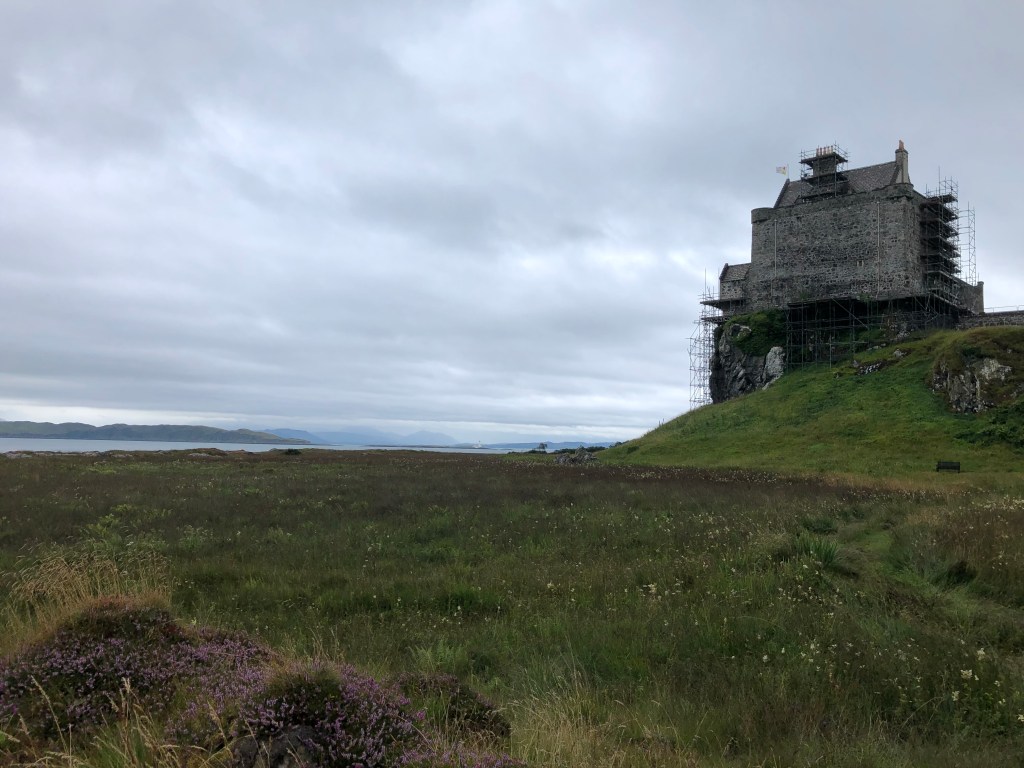
Duart Castle, the seat of Clan Maclean, is an imposing sight overlooking where the Sound of Mull meets Loch Linnhe. You can look round the castle which is full of information about the Macleans and their role in Scottish history, the castle played an important role in the Jacobite Rising, and there are plenty of rooms set out in an Edwardian style for you to look round. You can even go up on to the battlements for a great view (on sunny days) of Ben Nevis.
You can also see and learn about Lady’s Rock out in the water (which you can see at low tide), where, in the 1520s Lachlan Cattanach of Duart chained and abandoned his wife, Lady Margaret Campbell, in the hope she would drown so he could re-marry and produce an heir. A passing fisherman rescued her and she returned to her Campbell family home. When Lachlan went to tell the Campbells of the death of Lady Margaret, she was there waiting for him. You can also find out what revenge the Campbells took for the attempted murder.
At the castle, you can walk down to the water’s edge where you can learn about the Cromwellian warship that was shipwrecked. Look out for any heads bobbing up out of the water – seals and otters, not ghosts from the shipwreck.
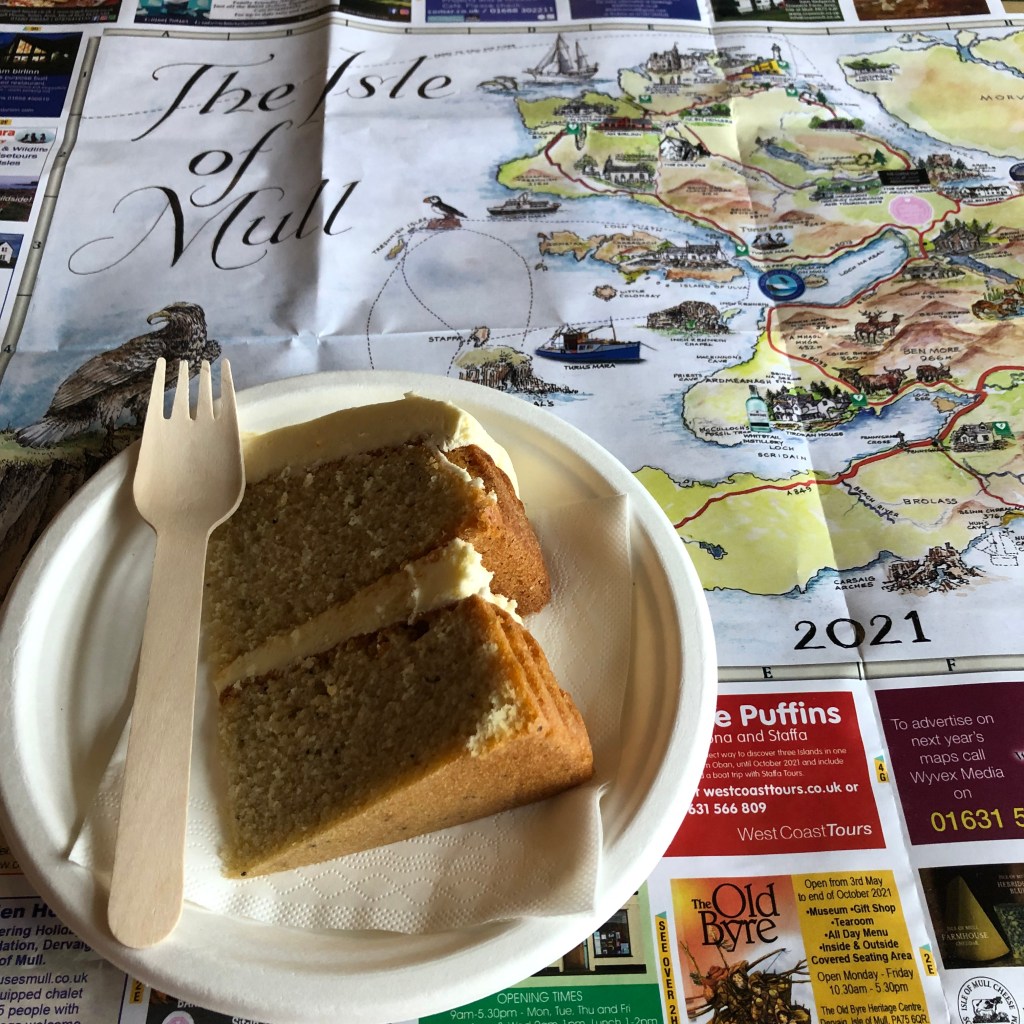
There is also a tearoom which does very good cake – the Duart Castle cake (orange and poppy seed) is especially nice, and they also serve lunches that are locally sourced or grown in the castle grounds.
Visit the shops and pubs on the harbour front
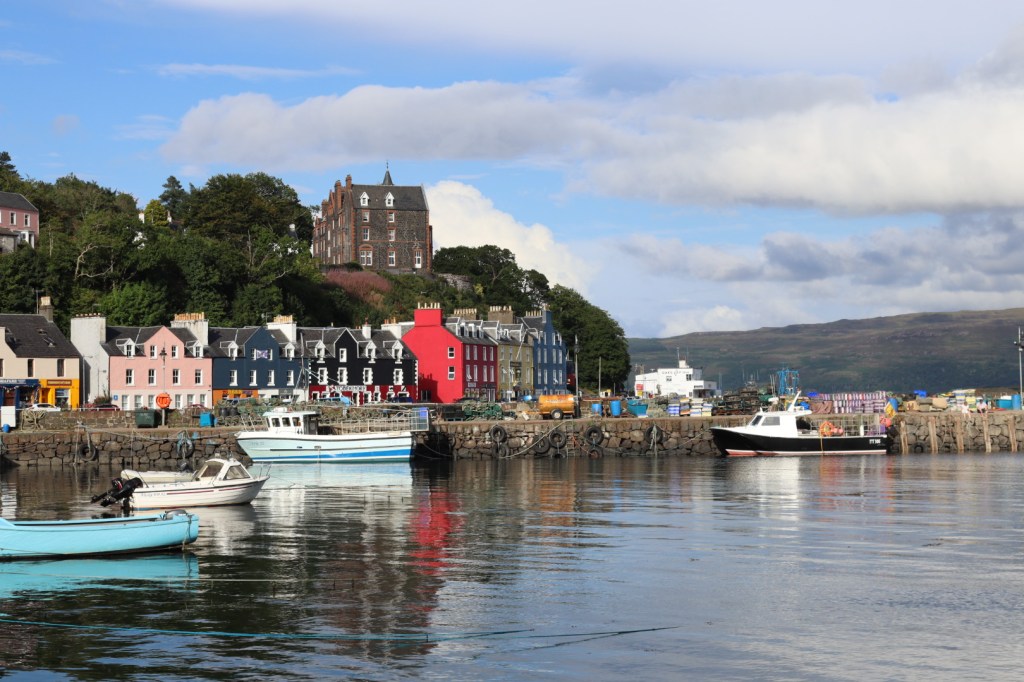
Tobermory is bright and colourful – full of character and lovely locals who want you to love their part of the world as much as they do.
It won’t take long to walk round but there are plenty of interesting shops to visit including a chocolate shop, a gin shop, a place selling locally made soaps and souvenirs, and ‘Tackle & Books’ which is a real treasure trove. There is also a museum of the Isle of Mull. One place I definitely recommend is the Hebridean Whale & Dolphin Trust Discovery Centre which is packed full of information about what you can see out in the water. The people who work here are incredibly knowledgeable and friendly and run tours and talks.
There are also tearooms and places to get a cups of tea if the weather isn’t too friendly.
Walk to the lighthouse
After the shops, walk out to the lighthouse. The walk there and back is around 5km through the woodland that runs alongside the edge of the cliff and will give you spectacular views. You can take the steps up to the top of the cliff and look out (the local homes are also very pretty with some lovingly looked after gardens). On the path there is also a viewpoint where you can sit and watch the ferries and yachts passing the lighthouse.
Evening meal in Tobermory
There are a few places to eat in Tobermory but booking ahead is definitely recommended. Every place serves fresh, local seafood. There is the Tobermory Hotel which has a little outside area for drinks overlooking the harbour; Mishnish which is also the local pub; Café Fish very small and incredibly popular; and Macgochan’s for really good hearty dishes.
Or, if you don’t want to sit indoors, there is also a van on the pier which serves excellent fish and chips.
I loved visiting the Isle of Mull and Tobermory in particular. It is fun and friendly with some awesome things to see and lovely places to eat. Enjoy!
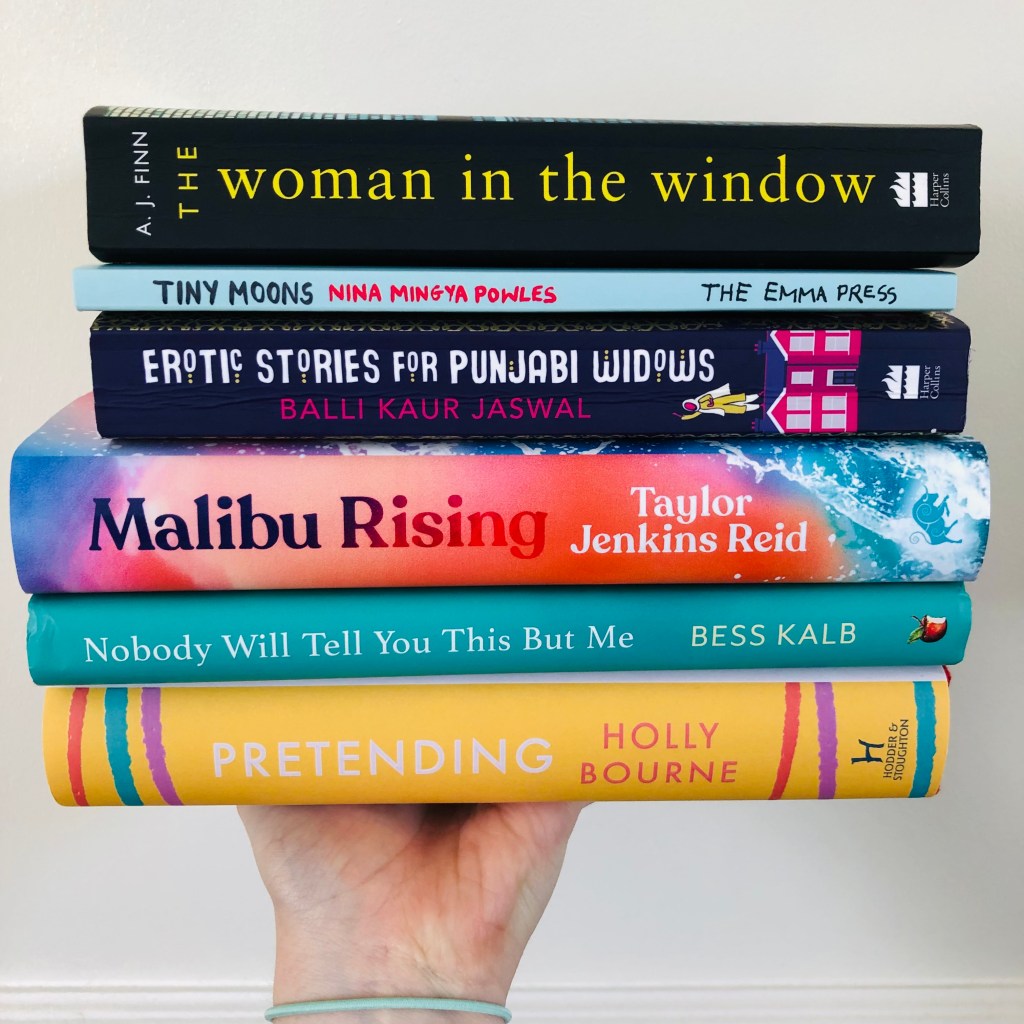
Going away somewhere fabulous and far-flung? Or having a relaxing staycation? Below are six books that I think would be a perfect accompaniment to any kind of break.
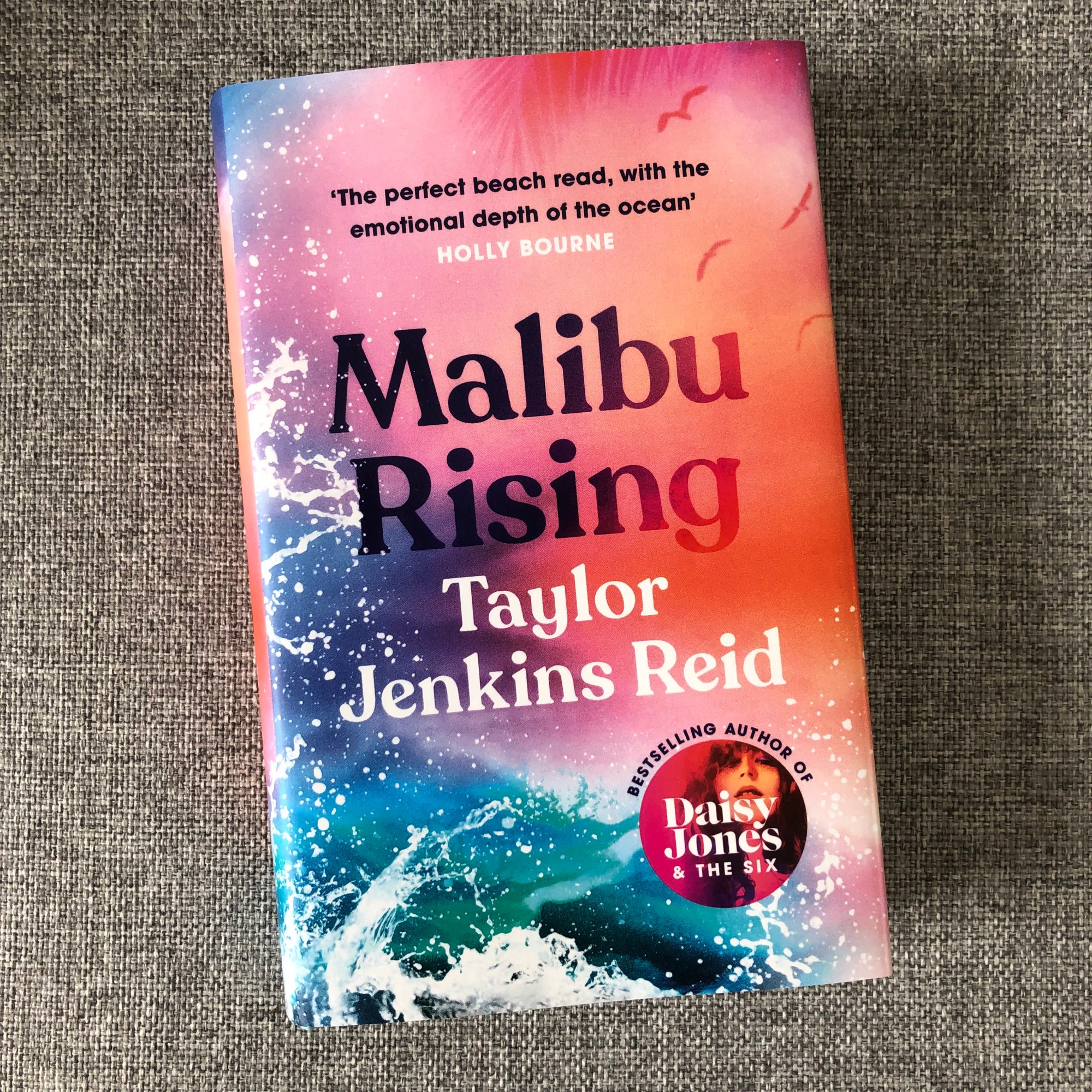
Malibu Rising, by Taylor Jenkins Reid
Our family histories are simply stories. They are myths we create about the people who came before us, in order to make sense of ourselves.
The story of June and Mick Riva seemed like a tragedy to their oldest child, Nina. It felt like a comedy of errors to the first son, Jay. It was an origin story for their second son, Hud. And a mystery to the baby of the family, Kit. To Mick himself it was just a chapter of his memoir.
But to June, it was, always and forever, a romance.
Malibu Rising
The book is set over one day – the lead up to a party at Nina Riva’s house. The party. A party that anyone can go to, so long as you are cool enough to know the address. As the day progresses, we learn about each member of the family: from Nina and her collapsing marriage, to her siblings Jay, Hud and Kit who each have a secret they need to tell. The book is also interspersed with the story of how their parents, Mick and June, met; how Mick became a famous musician whereas June wanted nothing more but a life away from her parents’ fish restaurant on the shore.
The party begins and it is full of famous faces looking to get drunk and have fun. But, as the night wears on, the party becomes out of control and a sense of foreboding shadows each page.
The siblings are a family of surfers who each feel an affinity with the ocean and the book is filled with lovely salty-sandy references to beautiful beaches and being in the water. It’s the next best thing to actually being in Malibu, overlooking the Pacific.
Erotic Stories for Punjabi Widows, by Balli Kaur Jaswal
Nikki has dropped out of university, sensing that law isn’t the career for her. But with no other idea what is for her, she takes a job as the instructor of a weekly writing workshop for women at the Sikh Community Association in Southall, London.
Nikki stopped and looked around. She was surrounded by women with their heads covered – women hurrying after their toddlers, women giving each other sideways glances, women hunched over walking frames. Each one had a story. She could see herself addressing a room full of these Punjabi women. Her senses became overwhelmed with the colour of their kameezes, the sound of fabric rustling and pencils tapping, the smell of perfume and turmeric. Her purpose came into sharp focus. ‘Some people don’t even know about this place,’ she would say. ‘Let’s change that.’ Fiery-eyed and indignant, they would pen their stories for the whole world to read.
Erotic Stories for Punjabi Widows
But Nikki soon realises that the women in her class, who are all widows, have other ideas about what they want to write… “This is the story about a man and a woman taking a drive in a car. The man was tall and handsome and the woman was his wife. They didn’t have any children and lots of free time.”
Despite trying to keep the writing a secret, word about Nikki’s workshop gets out and the Brothers (a group of young, unemployed men who consider themselves Southall’s morality police) want to shut them down. As Nikki learns about the Brothers, she ends up uncovering the truth about the tragic death of a local woman.
I loved getting to know each of the widows in their mischievous workshops and learning about the Sikh community in Southall. Great story, great characters, great fun – this book will definitely have you laughing.
‘I’m not saying your story was wrong. It was just unexpected.’
‘Why?’ Sheena challenged. ‘Because our husbands are gone? Let me tell you, Nikki, we have plenty of experience with desire.’
Erotic Stories for Punjabi Widows
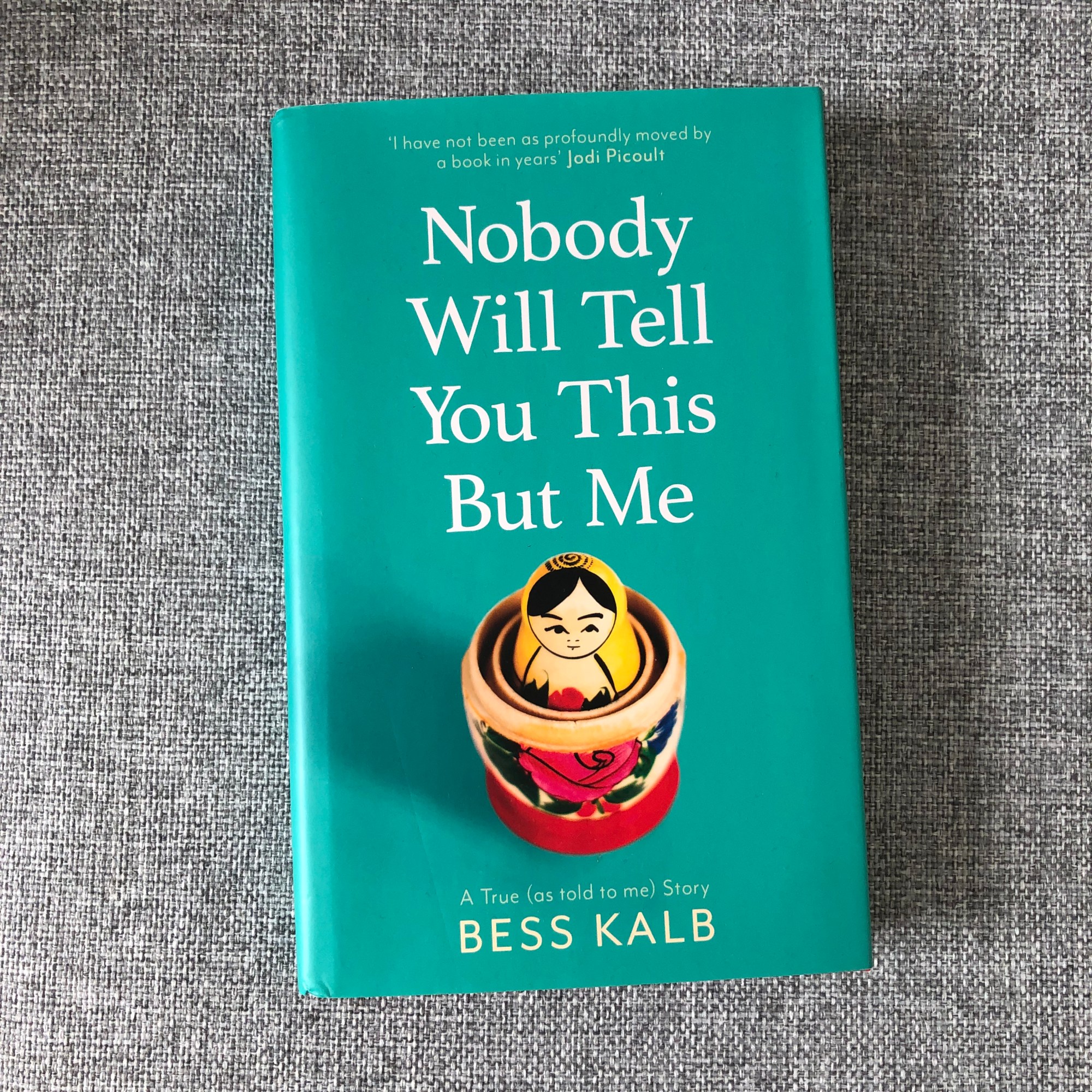
Nobody Will Tell You This But Me, by Bess Kalb
Your mother was like me, a reader. You were, too, although God knows I never wanted you to be a writer. But I knew you would. I told you, Bessie – you should be a teacher. Make a salary. Have the summers off to travel. But you wouldn’t listen. You never did. Neither did I. That’s what made us friends.
Nobody Will Tell You This But Me
This is a memoir with a difference. Bess Kalb writes in her grandmother’s voice about three (pretty extraordinary) generations of women in her family. From living in New York, Florida, and San Francisco, via Paris, Tel Aviv and Mexico, this book will make you feel like you have travelled the world in its 199 pages.
It is scathingly funny, full to the brim with life, and has such a powerful message about love: it will make you want to get out and see the world, brush up on your knowledge of art and literature, work hard and hug your family. It might also make you cry, but just put your big sunglasses on at the beach and no one will know.
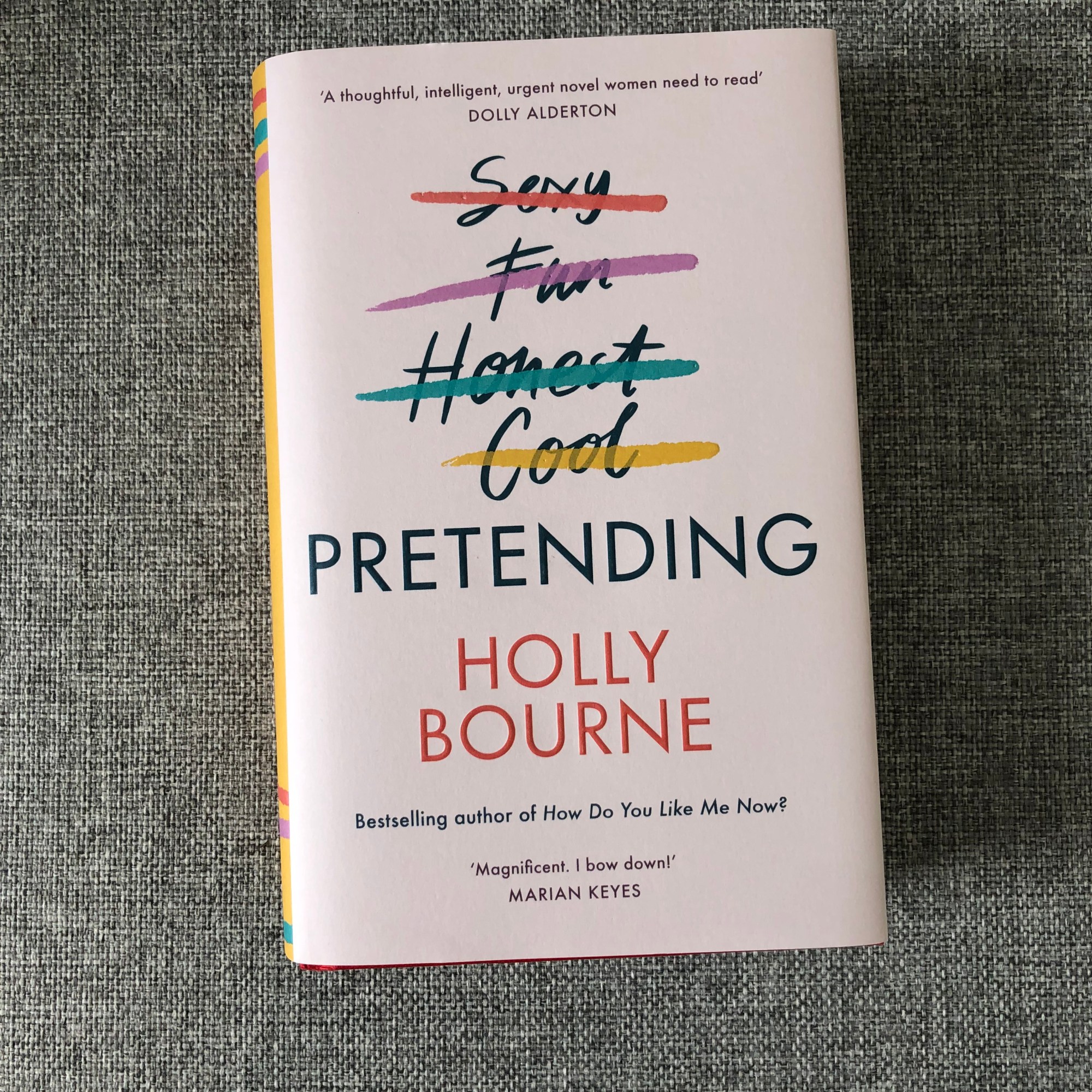
Pretending, by Holly Bourne
This book will light a fire under you: it’s angry and confrontational but such a great read.
Tired of her relationships never working out because men always find fault with her, April creates a fake dating profile for herself under the name of Gretel who she thinks is the perfect woman that all men would want to date. Through this she meets Joshua who seems very keen on Gretel.
But April has unworked through trauma from an ex-boyfriend and as the book progresses she realises she needs to get help for it. The book is such an excellent look at the legacy of trauma and how women try to live with it. It is not an easy read (TW for sexual assault) but it is brilliant. And very funny.
‘…Nothing fazes Gretel. She’s easy-going and laughs all the time, and spends her life going on adventures. No man who dates her ever gets over her. She’s never needy or insecure or jealous and therefore she’s rewarded by the pick of all the men in the universe.’
Megan crosses her arms. ‘She sounds like a right dick.’
Pretending
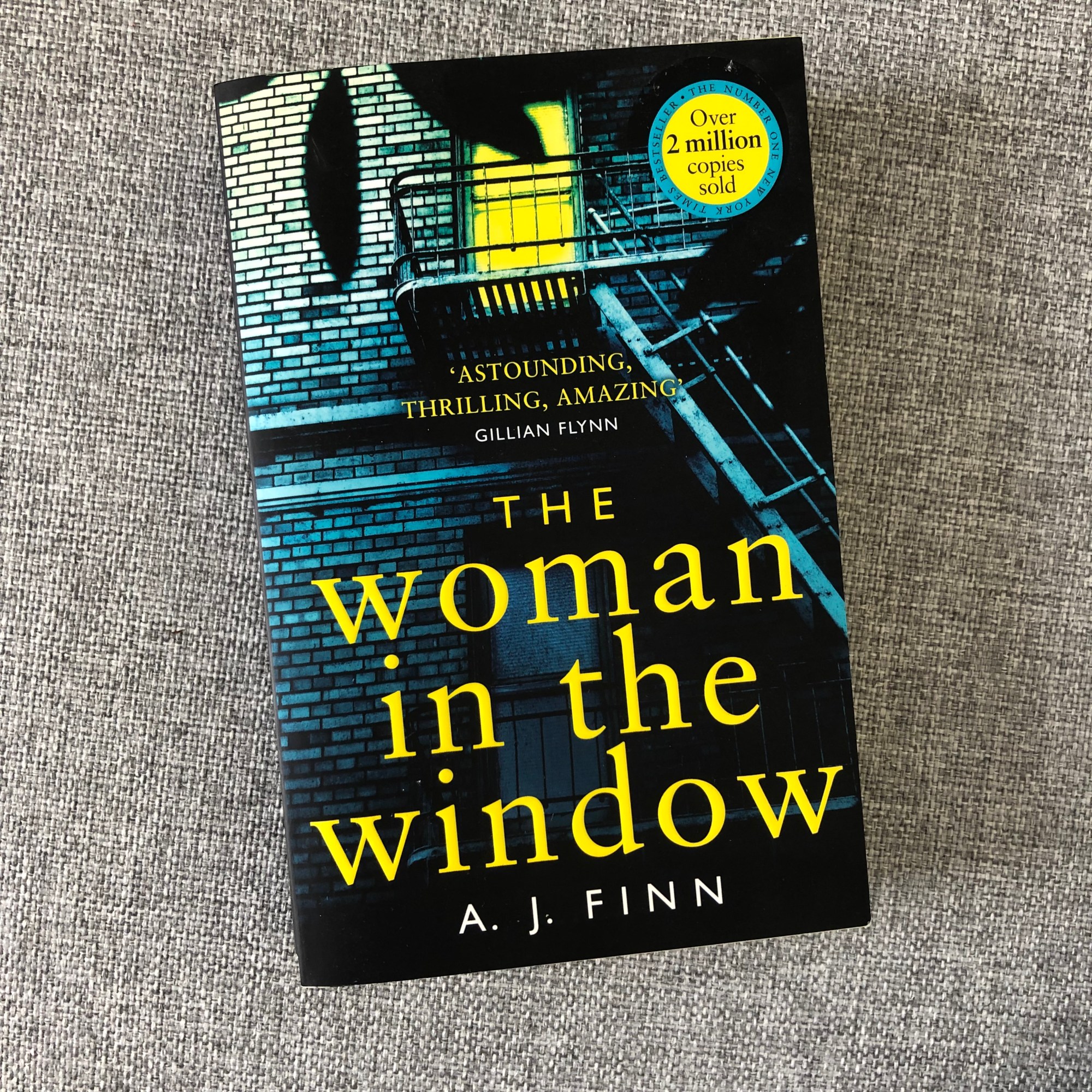
The Woman in the Window, by A. J. Finn
This is a classic ‘is it really happening or is she making it up?’kind of twisty thriller. Anna lives with her cat in New York and, following a traumatic event which unfolds throughout the book, has become agoraphobic. She is currently self-medicating on a cocktail of prescription pills and red wine. From the windows in her house she can observe the whole street and takes a keen interest in the goings-on of her neighbours. One night she thinks she witnesses a murder, but when everyone tells her she is lying to gain attention, she is left to piece together what really happened.
Sudden, intense quiet. The world has braked to a halt.
I’m alone, for the first time all day.
I survey the room. The wine bottles, radiant in the slanting sun. The chair angled beside the kitchen table. The cat, patrolling the sofa.
Flecks of dust amble through the light.
I drift to the hall door, lock it, bolt.
Turn to face the room again.
Did that just happen?
What just happened?
The Woman in the Window
I really enjoy this style of story where you don’t know who is lying and who is telling the truth. I nearly always think I have it figured out and then get it wrong. Read this if you enjoyed Girl on a Train or The Push.
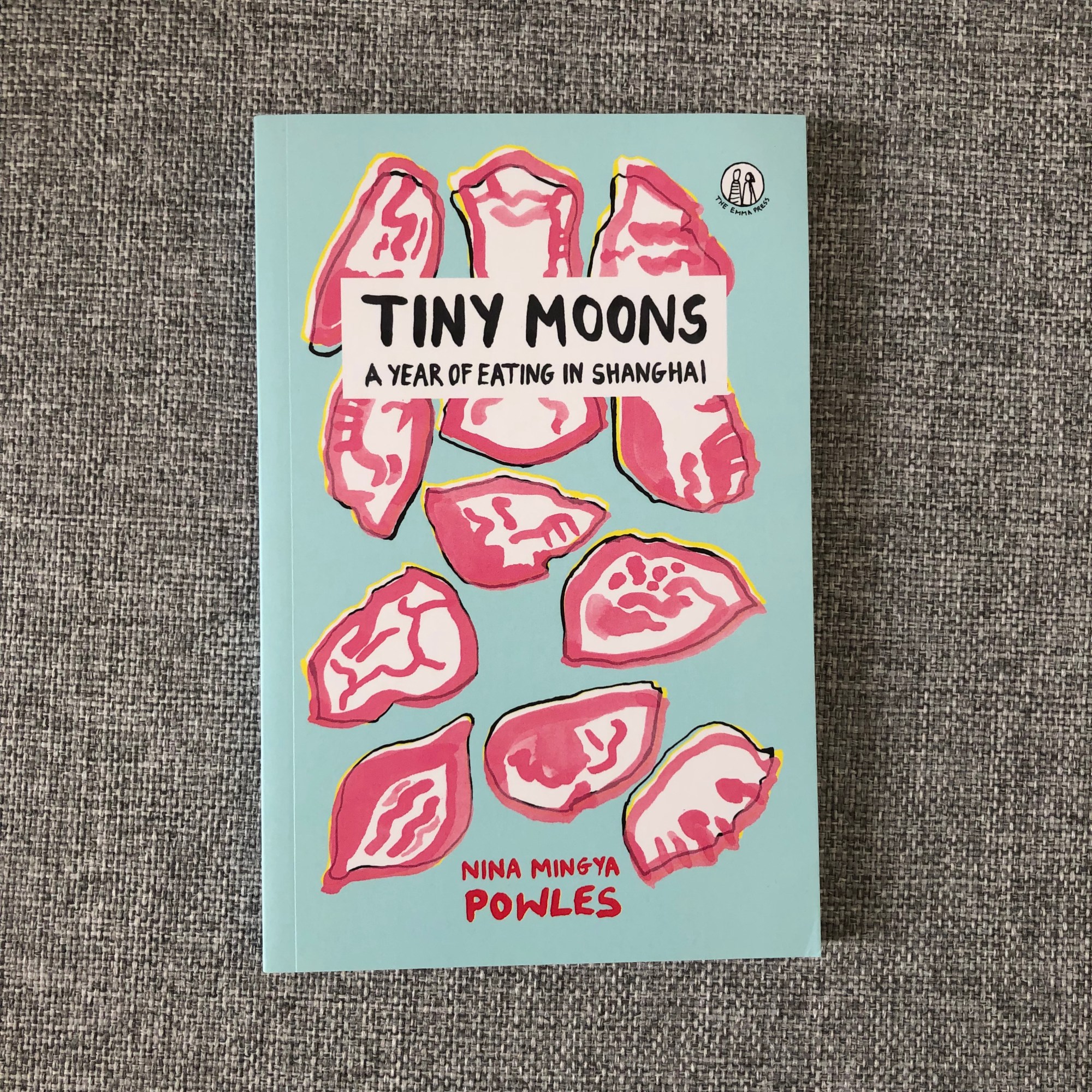
Tiny Moons: A Year of Eating in Shanghai, by Nina Mingya Powles
The chef spoons the oil and crispy onions over a thick wad of noodles. The smell reaches the table before the bowl does – rich, warm and bitter, a little sweetness in the tang of soy sauce. I use my chopsticks to mix it all together myself. Then I demolish it. With some practice, I learn not to regret it. I begin to think of those fried spring onions as a genuine part of my daily vegetable intake. I begin to prioritise joy.
Tiny Moons: A Year of Eating in Shanghai
This book is a joy to read from start to finish and one that I will certainly come back to and read again. Nina so perfectly describes food in a way that is not just reciting ingredients or even just describing the taste alone, but she talks about the whole experience of eating and how it can bring forth memories or feelings of belonging or isolation.
Tiny Moons recounts Nina’s journeys between New Zealand and Shanghai as she learns about, and finds her way back to, her Chinese-Malaysian heritage. It is about great food, finding yourself and where you come from, as well as being a fantastic escape to humid and aromatic streets a whole world away.
I hope you like these recommendations! What have been your favourite books this summer?
























 Luggage & Scribble