In a Luggage & Scribble first, today I am writing about going to the theatre! I recently travelled to London to watch Hilary Mantel’s The Mirror and The Light at the Gielgud Theatre. This is the third in a trilogy of books and plays based on the life of Thomas Cromwell.
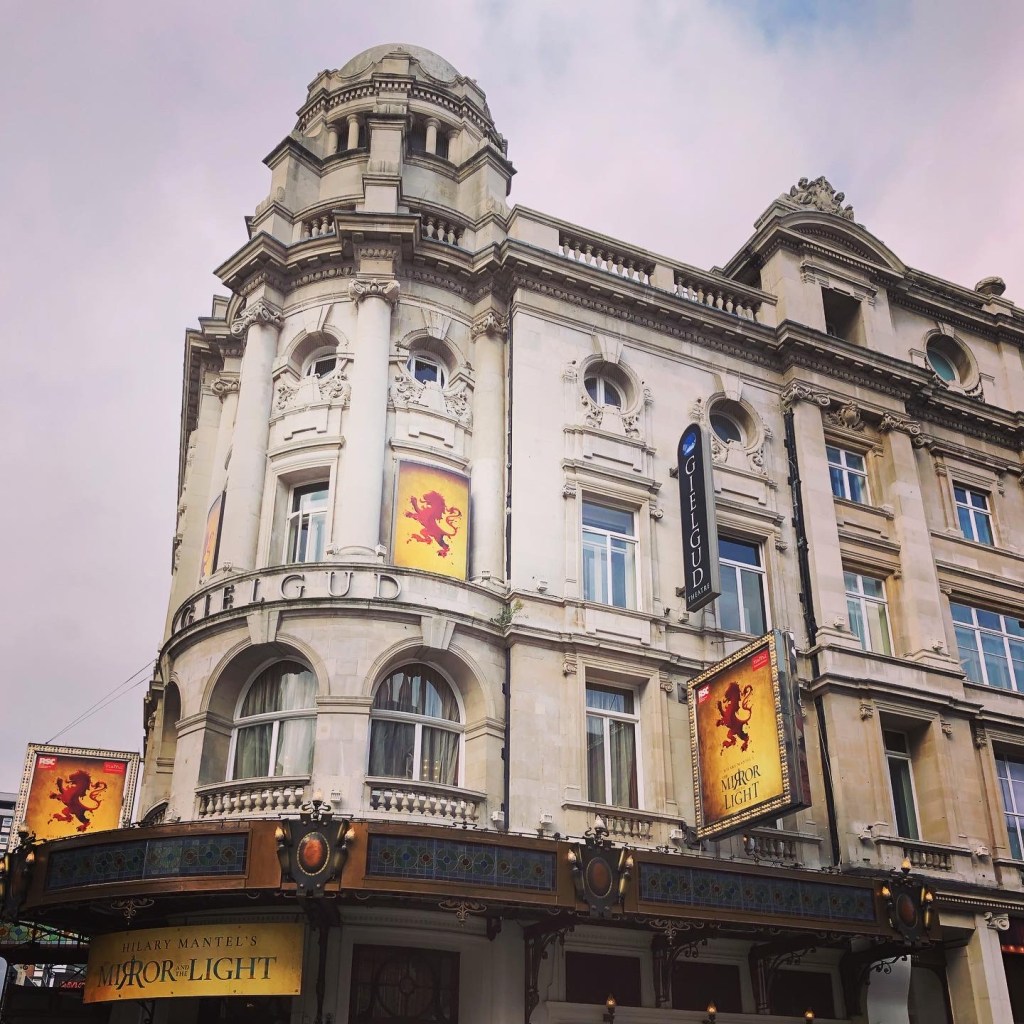
I have written this post to cover who Cromwell was, as he had such an interesting life, what the play was like and also how I found being in London and at the theatre again after such a long time away from it. Let me know if the comments if you have seen this play or have any theatre recommendations for me!
First things first, who was Thomas Cromwell and what is The Mirror and The Light ?
Briefly, The Mirror and The Light is the third in a trilogy of stories written by Mantel that focus on the life and times of one of the most powerful men in Tudor England (and, arguably, in British history). You may not have heard of him, but you will have heard of Henry VIII: Thomas Cromwell was his right-hand man… right up until Henry had him executed for treason.
The story of Cromwell is a fascinating one: he rose from rough and humble beginnings and climbed up the court’s hierarchy at a time when the right to do so was seen as God-given. In the first two parts of the trilogy, the first being Wolf Hall and the second Bring Up the Bodies, we see Cromwell’s rise to power and notoriety. In The Mirror and The Light, we see his downfall.

If you remember the old rhyme ‘divorced, beheaded, died, divorced, beheaded, survived’ then Cromwell was hugely involved in the first four of those fates. Cromwell helped Henry get his divorce to Catherine of Aragon when England split from the Pope and Catholicism during the English Reformation. This also meant Henry could marry Anne Boleyn, who Cromwell supported at first, but then helped engineered her execution. He was by Henry’s side during his marriage to Jane Seymour and set up the subsequent marriage to Anne of Cleves following Jane’s death. This marriage would then prove to be the death of him.
I wonder, what Thomas Cromwell would make of the level of fame he has now reached. I think, thanks to Mantel, we have grown quite fond of him; he’s almost as well known to us now as Henry and his wives. From his start in life as the “ruffian” son of a blacksmith, Cromwell has now reached infamy thanks to the books and the plays that they have been adapted into. But, what would he think of how he has been portrayed?
The Play
The play starts at the end: with Cromwell being unceremoniously dumped in his cell in the Tower of London. Here he is taunted by his enemies who have been biding their time to bring him down. They ask him about his loyalty to King Henry VIII and about incidents that have apparently called this into question. Cromwell remains tight lipped assuring them of the punishments he will met out once he is reinstated in his role. The play quickly flashes back, to Henry’s marriage to Jane, and from there we watch Cromwell’s demise unfold.
In the play he comes across as a family man, his love for his sons ever present and their safety his greatest concern. He also comes across as pragmatic to the end; Ben Miles, the actor playing him, scanning the stage whenever he enters, jaw clenched and fight-mode ready. He does not seem to relax. Although, how could you in Henry VIII’s court? and I suppose you would be tense awaiting your fate in the Tower of London!
Even though I knew going in what the outcome would be, I found I still had a small hope flickering that he would be reprieved: “I am a merciful king…” says Henry, before agreeing that Cromwell may be beheaded rather than the more gruesome death of being hung, drawn and quartered.
And then, it’s all over. A quick end after a long build up and it leaves no real time for wallowing or feeling sentimental for a man that we have all grown to know so well. A man who obviously had such a big impact on British history, struck down by a monarch susceptible to his whims. It is said he regretted the decision of signing Cromwell’s death within a month of it happening.
Did I enjoy the play?
Once I worked out who all the different characters were (a few of the male actors did look very similar), I was completely absorbed by it and both parts flew by. I also thought the use of the scenery and lighting was very effective – there was one moment where Henry was lit with a warm orange light, to make it look like he was stood in front of a roaring fire to confess his feelings, that was very dramatic. Also at other times, the grey and austere setting was lit up with sudden pops of colour from the costumes such as the decadent robes worn by Anne of Cleves, or Henry’s blood-red stockings.
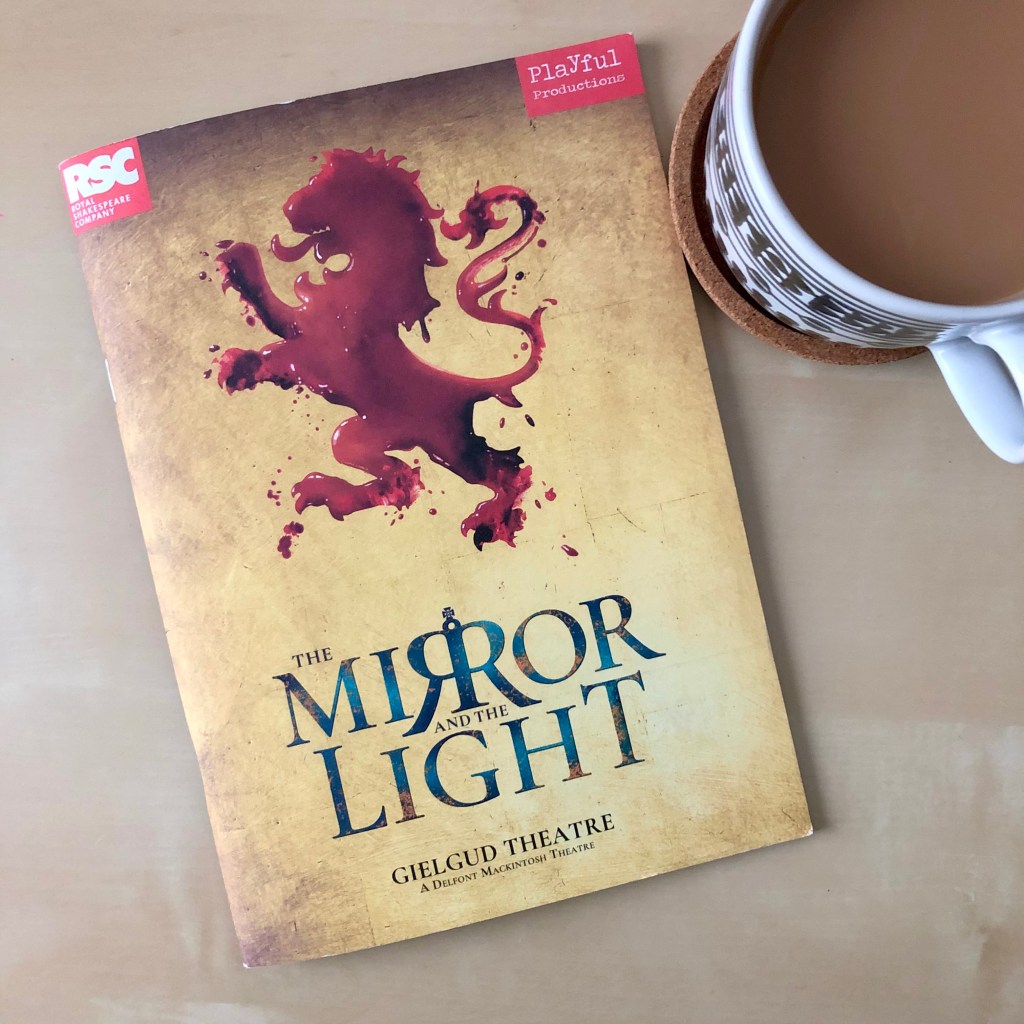
I thought the actors who played Cromwell and Henry (Miles and Nathaniel Parker), who have played them throughout the trilogy, were still just as excellent portraying that strange relationship between the two men.
It was a spectacle of storytelling: the kind you can only experience in a theatre. I have so missed feeling part of a collective experience as the story is told around you. The Mirror and the Light isn’t a comedy by any stretch of the imagination, but it had a few humorous moments in it and I liked hearing the wave of chuckles as it ran through the audience.
One of my other favourite things about going to see a play is watching the shadows of people moving scenery and props around in the darkness in between scenes, like a well-oiled machine: each person with their part to play.
Did I feel safe going to the theatre?
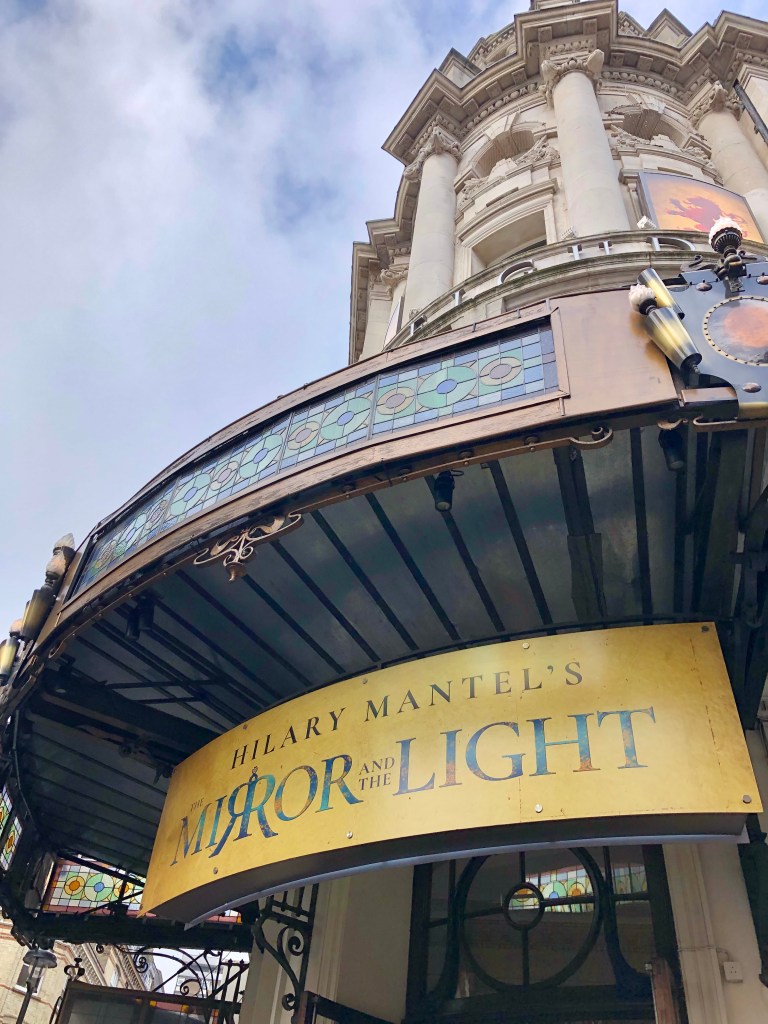
Before March 2020 I went to the theatre a lot: I love it. Dramas, comedies, musicals, dance – I would go and watch it all if I could. I like being part of an audience and there’s nothing better than good actors, good staging and good writing. I have certainly missed it.
At the Gielgud, the audience wasn’t as spread out as they were just after theatres had re-opened (I don’t think they have to be now), but it wasn’t fully booked. Getting to the bar and bathrooms at the interval was hard work; as with most theatres in London, it wasn’t built with a huge amount of space to allow people to move easily past each other. But before entering the theatre everyone had to show proof of vaccine or of a recent negative test result and I would say around half the audience wore a mask throughout the show (myself included).
What was London like?
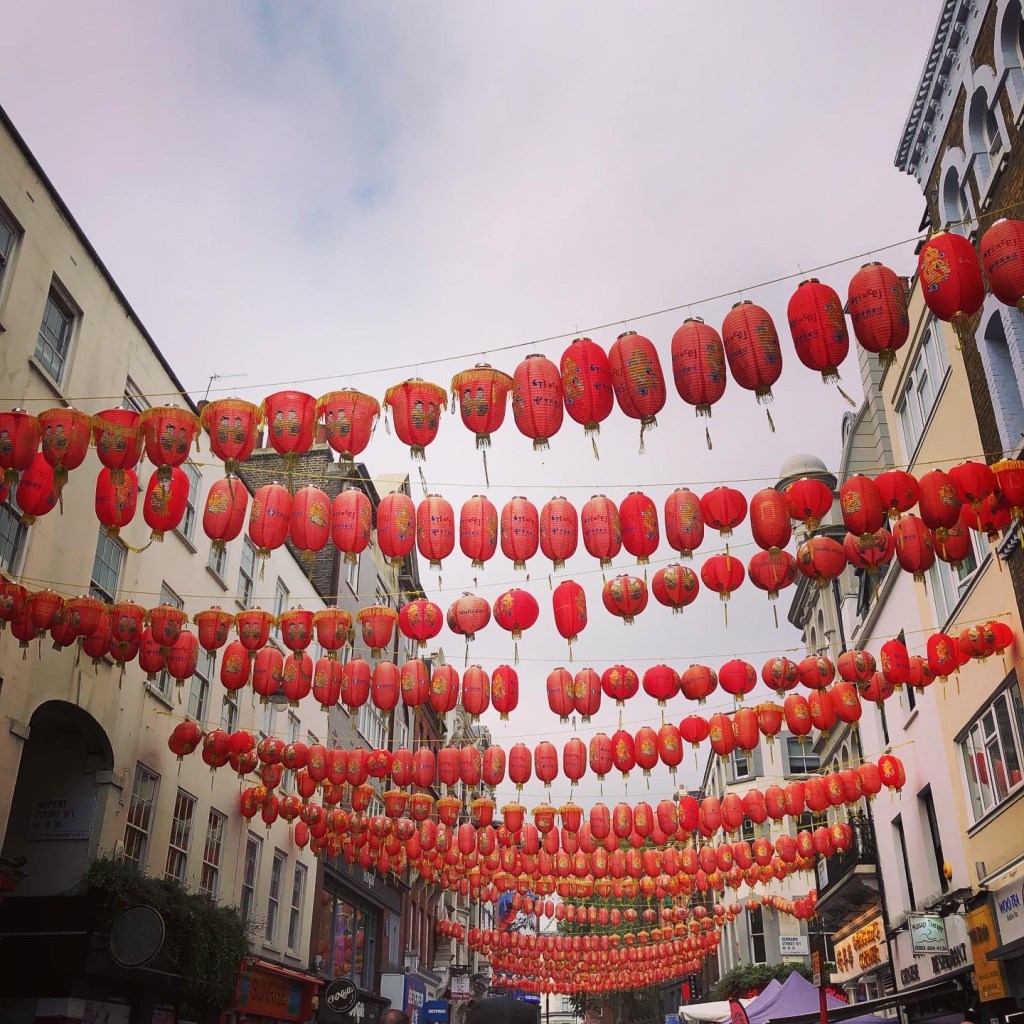
London was quieter than usual (although still much busier in some places than anywhere else I have been since the pandemic started). Leicester Square and Covent Garden, the theatre district, obviously still drawing huge crowds of people. But other streets felt quieter and Bloomsbury felt almost deserted. As the weather was nice we didn’t get on the tube – I don’t think I would have gone on it, however, even if it had been raining. As with the theatre, I’ve missed travelling to London and I’m looking forward to getting back into going.
What are your favourite things to do and see in London? Let me know!
 Luggage & Scribble