The storm comes in like a finger snap. That’s how they’ll speak in the months and years after, when it stops being only an ache behind their eyes and a crushing at the base of their throats. When it finally fits into their stories. Even then, it doesn’t tell how it actually was. There are ways words fall down: they give shape too easily, carelessly. And there was no grace, no ease to what Maren saw.
The Mercies
The Mercies, by Kiran Millwood Hargrave, is a stunning and thoroughly engrossing story that will have you glued to it to find out what will happen next.
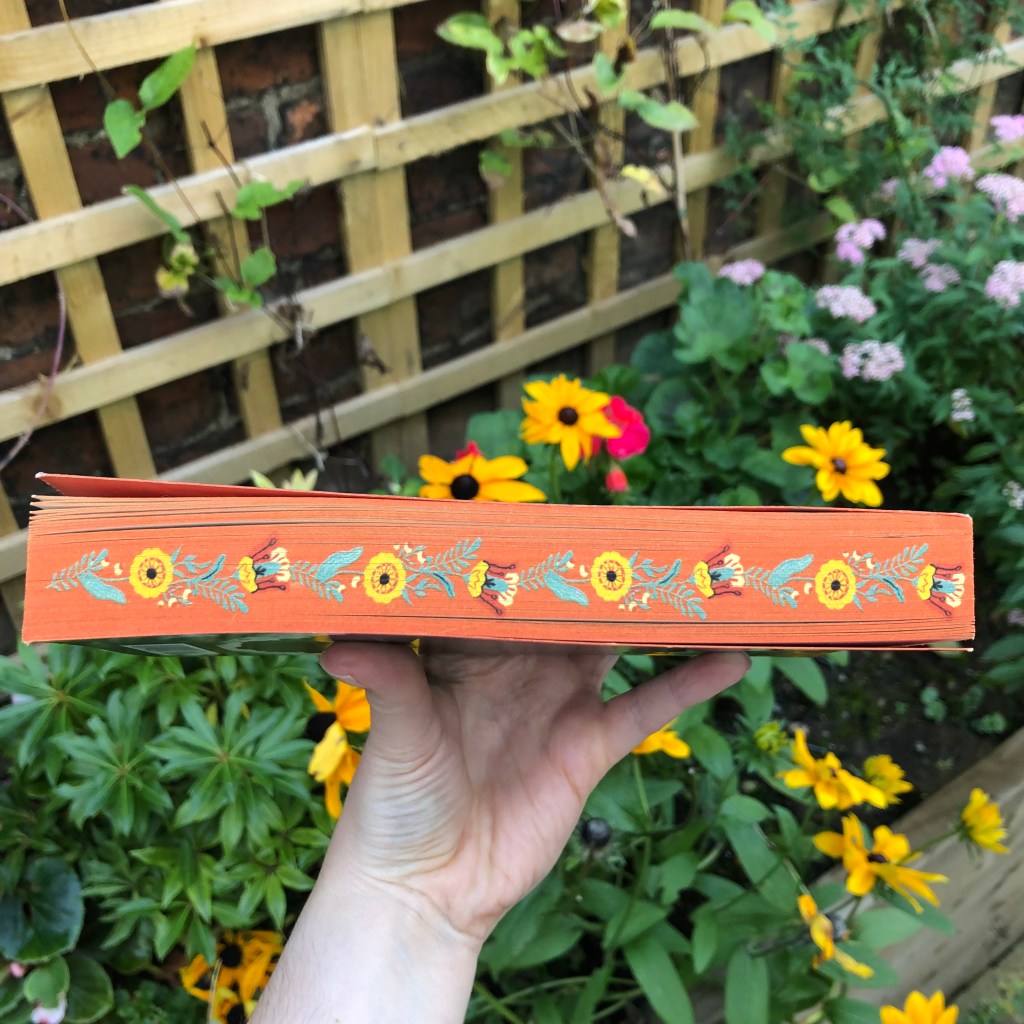
Maren lives on the tiny Norwegian island of Vardø. It is Christmas Eve, 1617, and all forty of the grown men in the village have gone fishing when a storm suddenly hits and they all drown. The women left ashore have to find ways to survive through their mourning in this harsh environment. Questions over why the storm occurred begin to surface: was it an act of God or did something evil summon it? Families begin to fallout and it is not long before divisions over how they should go forward start to appear.
Elsewhere in Norway, stories of an island of women begin to spread. Eighteen months pass in which the women manage to survive before a new Commissioner, Absalom Cornet, arrives. A man from Scotland, he has been highly praised for his work seeking out evil on remote islands, and he brings with him his new wife, Ursa.
Far from her home in Bergen, Ursa meets Maren and they form a deep bond of friendship as they realise the threat that Absalom poses to the women of Vardø. Threats of brutality and violence shadow every page as the women must now choose who’s side they are now on in order to stay safe. The book, which starts slowly as each day can be an age in the harsh Norwegian winter, soon escalates as it hurtles towards its shockingly violent conclusion.
The Mercies is a carefully crafted story with so much attention to detail; from the clothes they wore in the freezing cold of Vardø to the dinner parties in castles, to the food they ate, to the homes in which they dwelled, Kiran Millwood Hargrave so vividly paints a picture of what it was like to be there. Something that she describes so well, too, is the harshness of the weather and the sea, how it is a present danger there at all times. You get a real sense of the never ending darkness of winter and the cold that sinks into the bones.
Ursa often wonders what she would say to Agnete, were she here. She doesn’t have the words for the confusion of it: the way her body has become something unhomed, how she has already learnt the way to wield silence like a weapon.
She withdraws again from Captain Leifsson, though he has been nothing but kind, even giving her a pouch of aniseed. She can trust nobody with her thoughts: fearful and limited though they are. Inside her, they are safe, a locked box stronger than her father’s cherrywood gift. She needs them, every word, to herself.
The Mercies
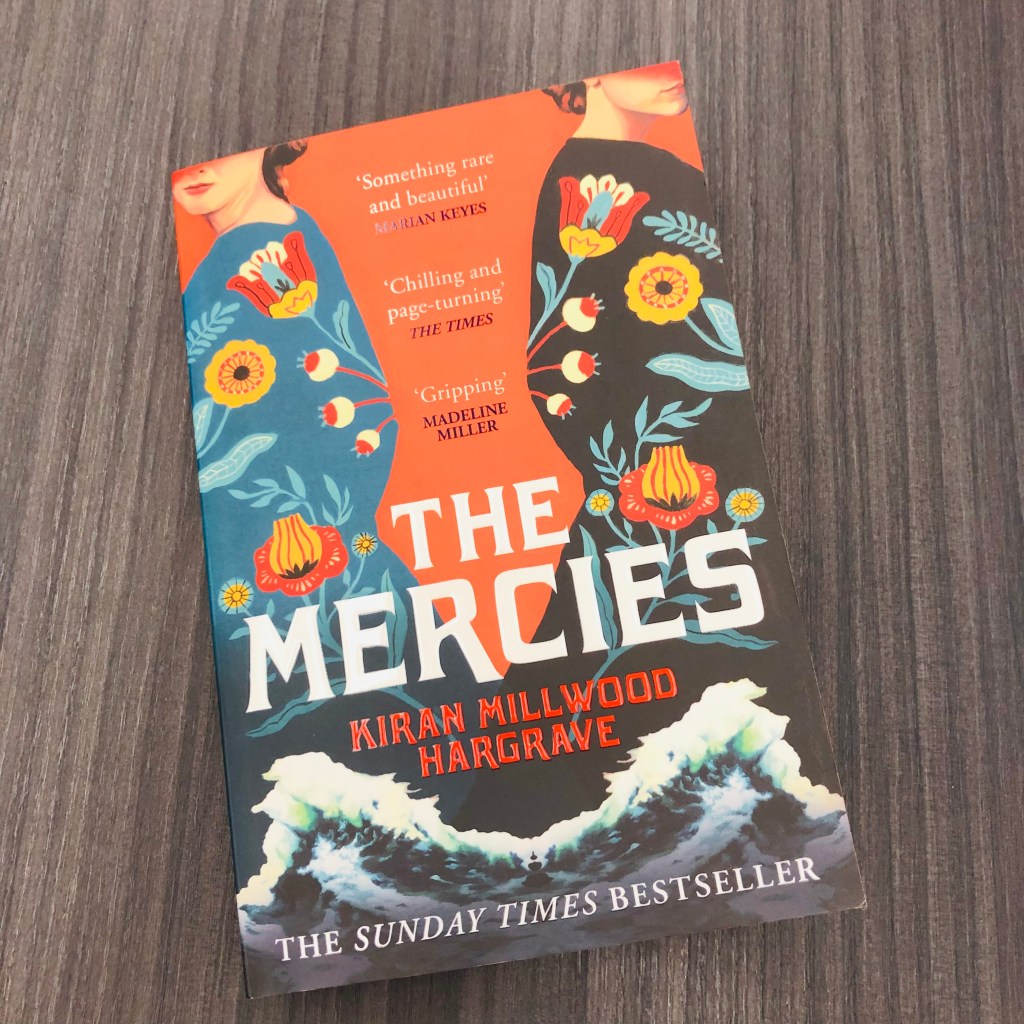
Each of the characters are so wonderfully described, also. From Ursa’a wide-eyed surprise at the sparseness of Vardø to Maren who is weather-beaten and grief-stricken but cannot stop working in case the weather changes and all is lost once again. I learnt so much about a period in Norway I knew nothing about and the indigenous people of the Sámi who were persecuted by King Christian at that time. I thought Hargrave’s note at the end of the book was particularly interesting: “This is a story about people, and how they lived; before why and how they died became what defined them.”
If you read one more story this year, make it this one. It is shocking, brutal, but also beautiful and hypnotising.
 Luggage & Scribble